


- Home
- >
- Products
- >
- Hospital Bed
What is the difference between a hospital bed and a regular bed?
What is the difference between a hospital bed and a regular bed?
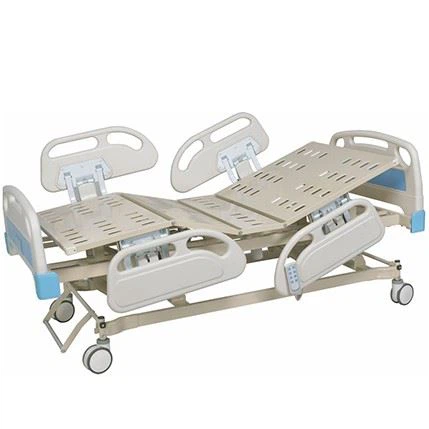
With increasing demands for medical care, the differences between medical bed for elderly patients and regular beds are drawing more attention. While both are designed for lying down, their practical uses differ significantly. For example, the height of treatment bed for home care can be adjusted, the head and feet of treatment bed for home care can be raised separately, and safety features like guardrails are present. Below, we'll discuss these differences in five key areas.
I. Bed Height Adjustment
The height adjustment function of the medical bed for elderly patients is specifically designed for medical procedures. The height of the medical bed for elderly patients can be adjusted electrically or manually to achieve a wide range of height increases and decreases of 40-80cm. When nursing staff perform procedures such as changing dressings or administering injections, the medical bed for elderly patients can be adjusted to a suitable height to reduce the burden of bending over; when the patient gets out of bed, the height of the medical bed for elderly patients can be lowered.Regular beds are mostly designed with a fixed height, typically between 50-60cm, with only a few high-end models supporting a ±5cm adjustment. Those regular beds are mainly designed to accommodate everyday getting in and out of bed, lacking the flexibility required for medical settings.
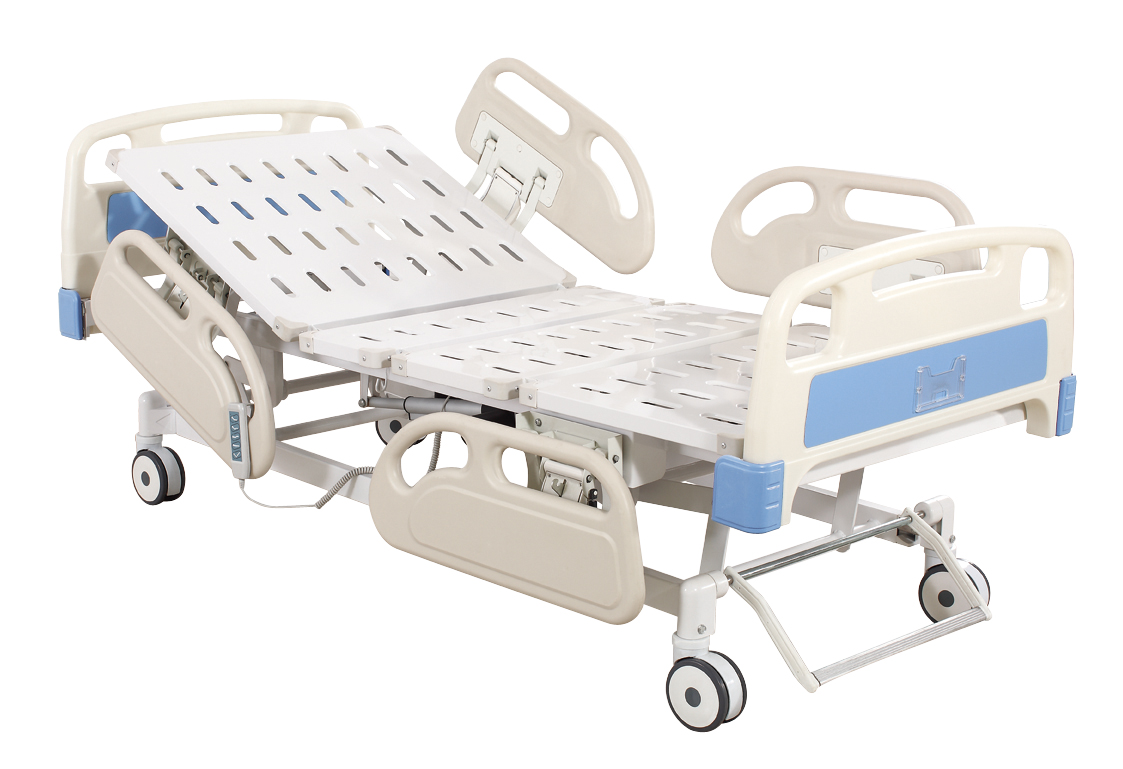
II. Head and Leg Height Adjustment Functions
Hospital bed for the elderly features independent head and leg height adjustment systems.Medical bed for elderly patients offers headrest adjustments from 0-85°,the treatment bed for home care meets patients' needs for eating, reading, and respiratory therapy.Medical beds offer adjustable legroom from 0-40°, which can help reduce swelling in the lower limbs and promote blood circulation.Some medical beds also support preset positions such as "semi-recumbent" and "knee-bent" positions, which can be precisely adjusted with one-button operation.Regular beds, even if they have height adjustment functions, are mostly designed with the whole body tilted, and the head and feet height of regular bed cannot be adjusted separately.Regular beds can meet basic leaning needs, but the adjustable angle of the regular bed is usually no more than 30°, making them unsuitable for medical care scenarios.
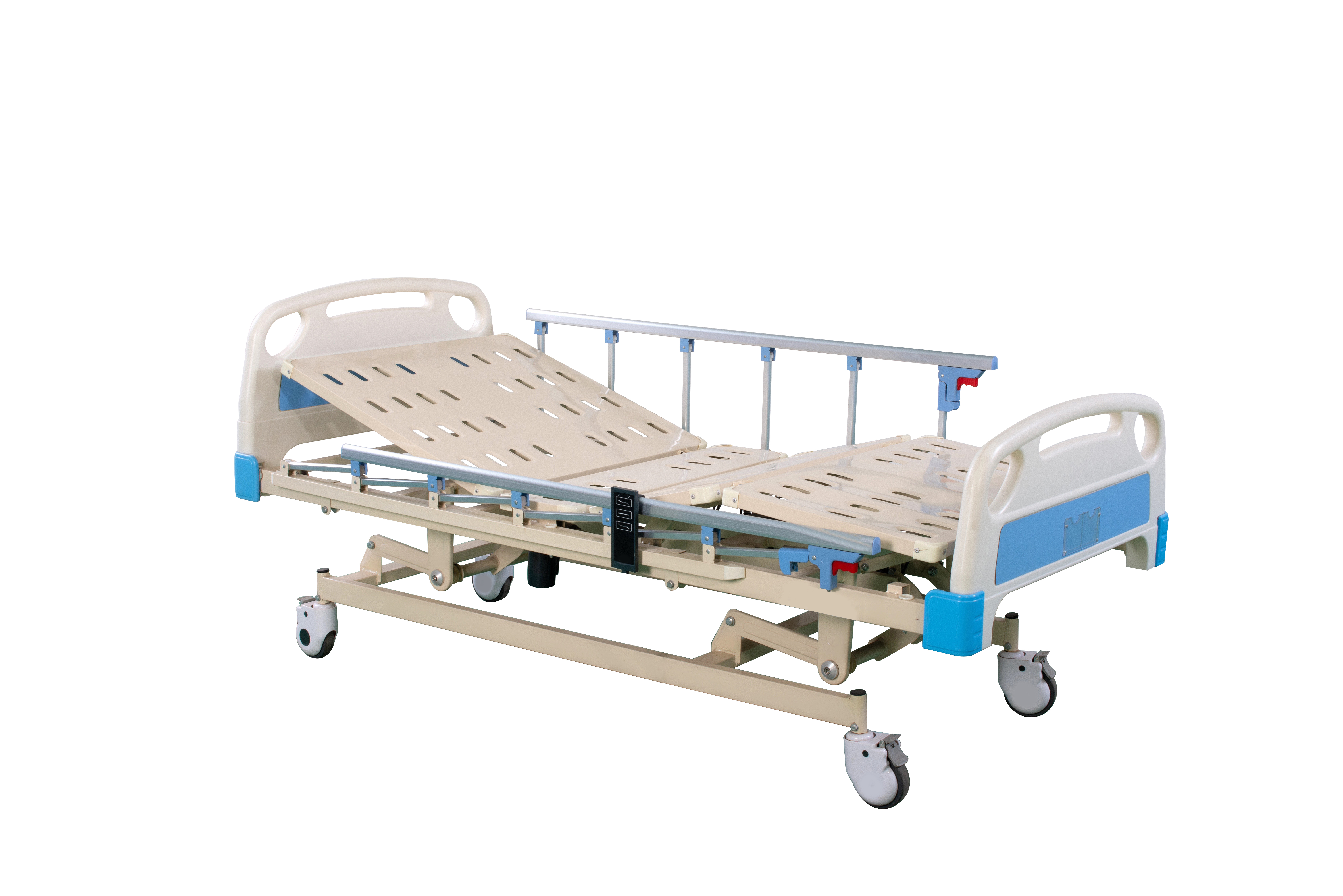
III. Side Guardrails and Safety Features
Side guardrails are a core safety feature of treatment bed for home care. They are typically foldable double guardrails, at least 20cm high, with the gap between the guardrails strictly controlled within 5cm to prevent limbs from getting trapped or falling out of bed when the patient turns over. Some intensive hospital bed for the elderly is also equipped with additional safety features such as pressure ulcer pads, restraint straps, and the treatment bed for home care is also equipped with an emergency call button to further enhance patient safety.Side guardrails on regular beds are mostly optional accessories, commonly found in children's or elderly beds. These guardrails are lower and have larger gaps, primarily serving a supportive function, lacking professional designs to prevent falls or entrapment, and also lacking the emergency protection features required in medical settings.
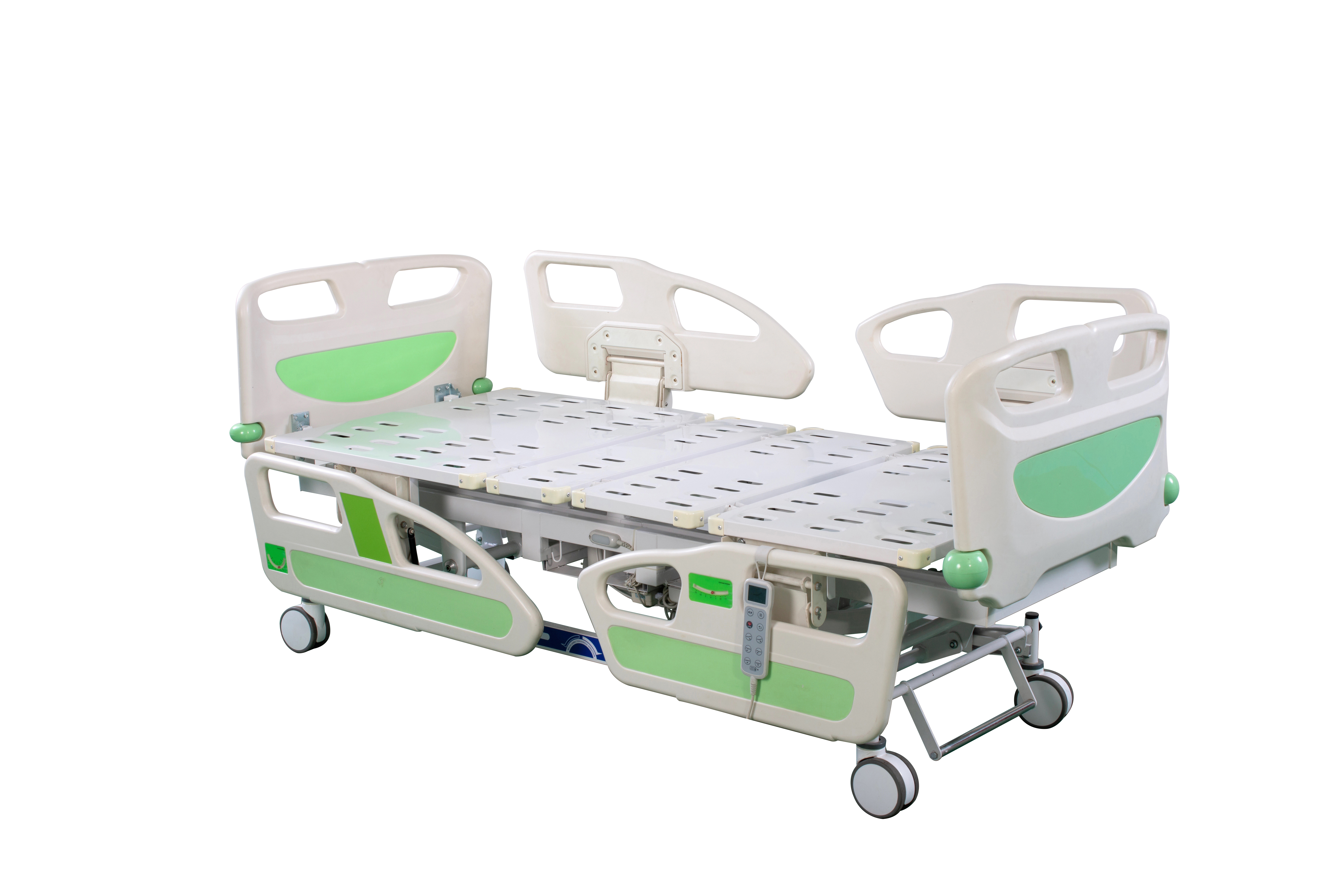
IV. Convenience of Bed Movement
The treatment bed for home care is designed with patients' movement needs in mind. The treatment bed for home care's bed board is adjustable in sections, and with height-adjustable headboard and footboard, patients can independently perform actions such as turning over, sitting up, and moving without much assistance. Some treatment bed for home care is also equipped with bedside tables and IV stand interfaces, facilitating activities such as eating and receiving IV fluids. Regular beds, typically have a fixed, one-piece bed board. Patients need external assistance to turn over or sit up in bed, the regular beds lack the support features required for medical settings, and the regular beds only meet basic needs such as lying down and sleeping.
V. Weight Distribution Design
The multi-function nursing bed mattresses utilize professional medical materials and employ technologies to achieve even weight distribution, effectively reducing local skin pressure and preventing pressure sores caused by prolonged bed rest. The multi-function nursing bed's mattress surface is typically made of antibacterial and waterproof materials for easy cleaning and disinfection. Regular bed mattresses focus on comfortable sleep, often using materials like foam and springs, emphasizing softness and breathability, but lack a professional weight distribution design. Prolonged bed rest can easily lead to poor local blood circulation, failing to meet the pressure sore prevention needs in medical care.
The essential difference between medical bed for elderly patients and regular beds lies in the distinction between "medical functionality" and "home comfort." When purchasing, consumers need to clarify their needs based on the intended use. If the bed is intended for medical care, post-operative rehabilitation, or similar scenarios, a professional medical bed that meets medical standards should be chosen. If the bed is only for daily sleep, a regular bed will suffice, avoiding confusion about functional boundaries that could lead to inconvenience.
-
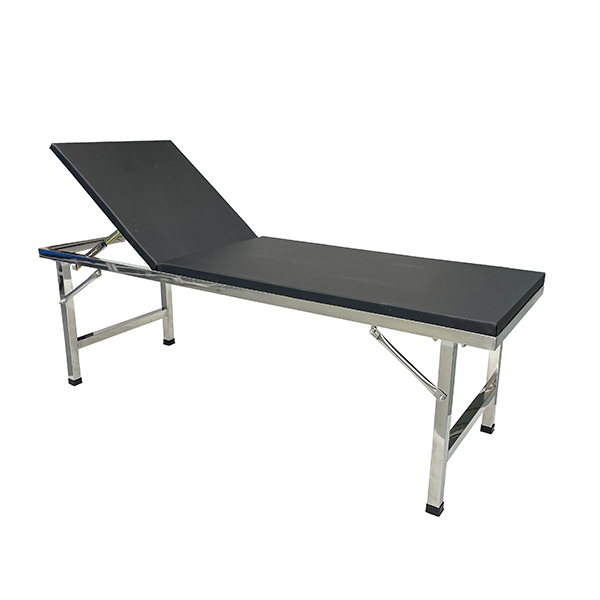
![Examination Couch With Adjustable Back For Patient]() Please visit Examination Couch With Adjustable Back For Patient
Please visit Examination Couch With Adjustable Back For PatientThis examination couch has outstanding performance in safety and practicality. The examination couch is made of high-quality aluminum alloy and thick steel as a frame, which is strong in stability; the adjustable treatment bed's waterproof PU marine sponge is easy to clean, the back can be adjusted 0-75 degrees, and this examination bed for patient can be adapted to various needs.Examination bed for patient can also be used as hospital treatment beds and massage beds, regardless of whether they are in hospitals or clinics, adjustable treatment bed can guarantee the comfort of the user and provide convenience.
-
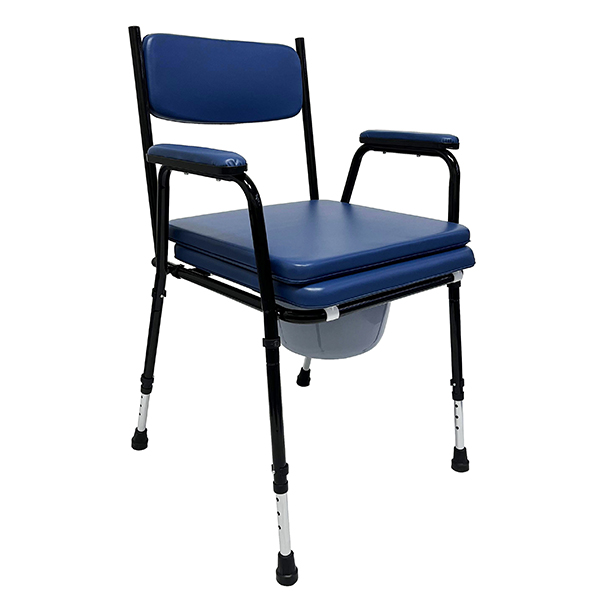
![Bedroom Foldable Design Hospital Bedside Toilet Seat]() Please visit Bedroom Foldable Design Hospital Bedside Toilet Seat
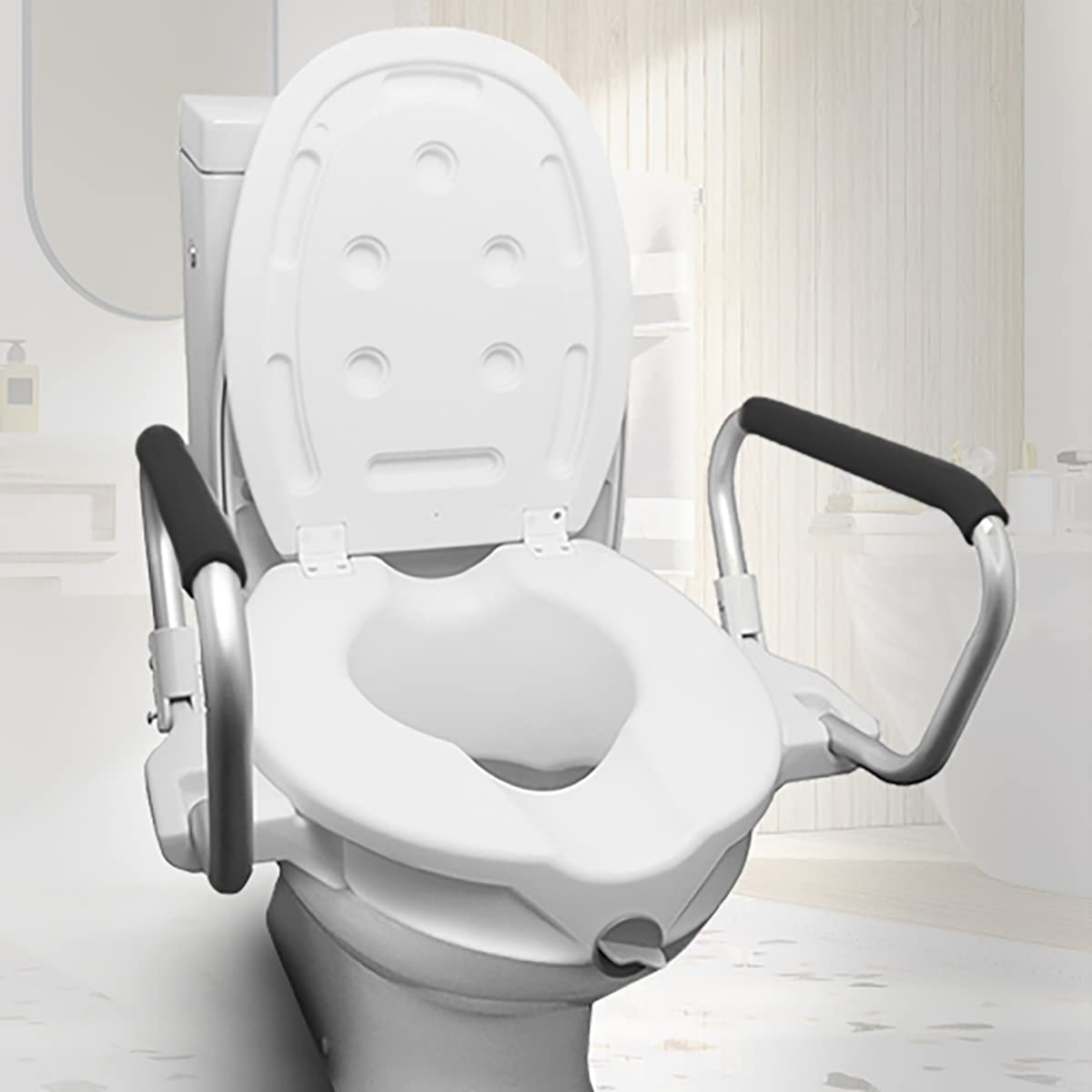
Please visit Bedroom Foldable Design Hospital Bedside Toilet SeatThe Bedside Toilet Seat has a built-in toilet so that seniors can use the toilet when needed without leaving the wheelchair. This Bedside Toilet Seat folds easily and fits in the trunk of your car, making it perfect for travel or on-the-go. Commode Chair is designed to ensure both the comfort of the seat cushion and backrest and the safety of the elderly, for example equipped with seat belts and adjustable footrests. Commode Chair is toilet part can be easily disassembled and cleaned, and other parts are also easy to maintain.
JIANLIAN Medical participation at FIME - FLORIDA INTERNATIONAL MEDICAL EXPO
JIANLIAN Medical participation at FIME - FLORIDA INTERNATIONAL MEDICAL EXPO
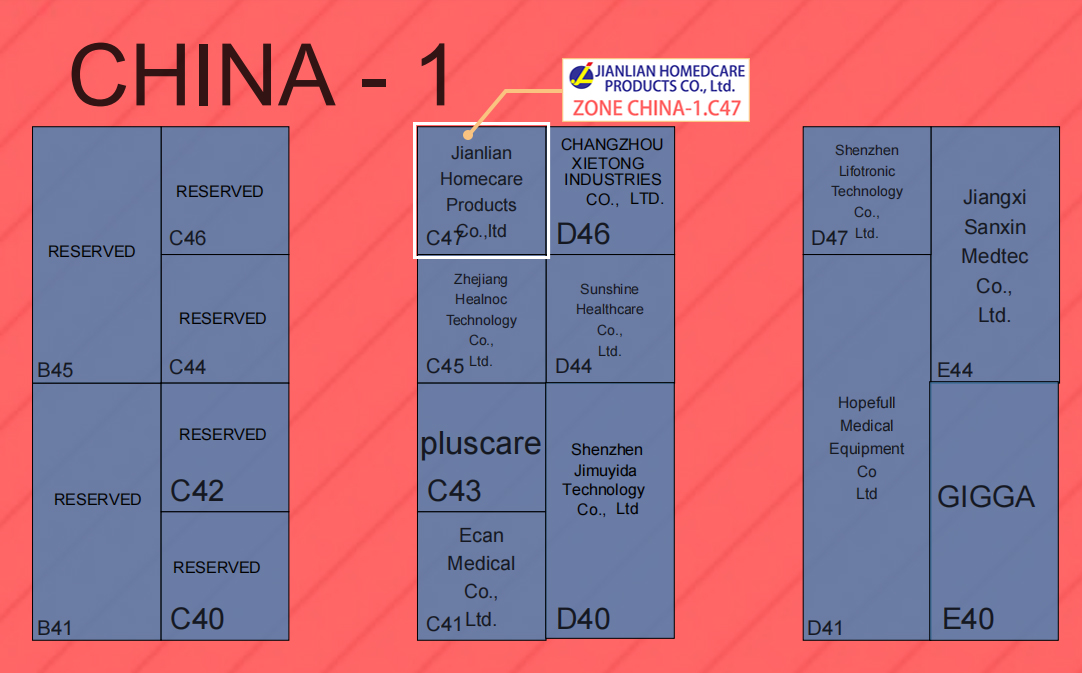
We are pleased to announce that JianLian Homecare Products CO., Ltd will participate in FIME - FLORIDA INTERNATIONAL MEDICAL EXPO at Miami Beach Convention Center, Miami Beach, USA! Florida International Medical Expo, or FIME for short, is one of the most important trade shows in the United States for medical devices, products, services and technologies.
Founded in 1991, FIME has been the preeminent event for the medical industry for more than three decades. The show is held each summer at the Miami Beach Convention Centre in Miami Beach, Florida.
FIME's main topics cover a wide range of areas in the health sector, from hospital equipment, disposable medical products, nursing care, surgical tableware, diagnostic equipment, emergency room equipment, laboratory facilities, long-term care products, dental equipment, rehabilitation and orthopaedic products, e-medical equipment, healthcare services, pharmacies and much more. Exhibitors include medical product manufacturers, healthcare providers, pharmacies, laboratory service providers, and hospitals.
Dates: Wednesday, 19 June 2024 - Friday, 21 June 2024
Venue: Florida International Medical Expo - Miami Beach Convention Center
Location:Miami Beach Convention Center– 1901 Convention Center Dr, Miami Beach, Florida 33139 USA
Visit us at China-1.C47.
-
![Adjustable Folding Knee Walker Scooter for Adults]()
Adjustable Folding Knee Walker Scooter for Adults
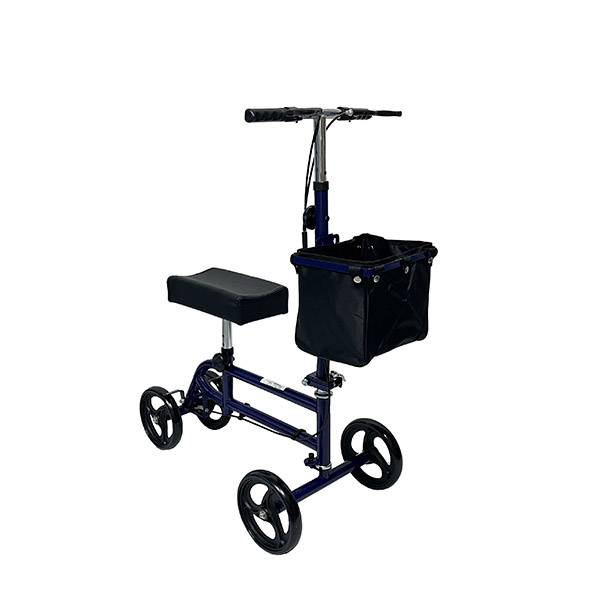
This Medical Knee Walker Scooter features a foldable design for easy storage.This Medical Knee Walker Scooter features adjustable handle and knee pad height.This Single-leg Injured Knee Car features a detachable basket, a braking system, and 9-inch puncture-proof PU tires.This Medical Knee Walker Scooter features two gliding modes and a soft seat cushion.The Single-leg Injured Knee Car is adaptable to different heights and leg shapes, and provides stable and effortless use both indoors and outdoors.
-
![The fire drill at Jianlian Homecare was successfully conducted.]()
The fire drill at Jianlian Homecare was successfully conducted.
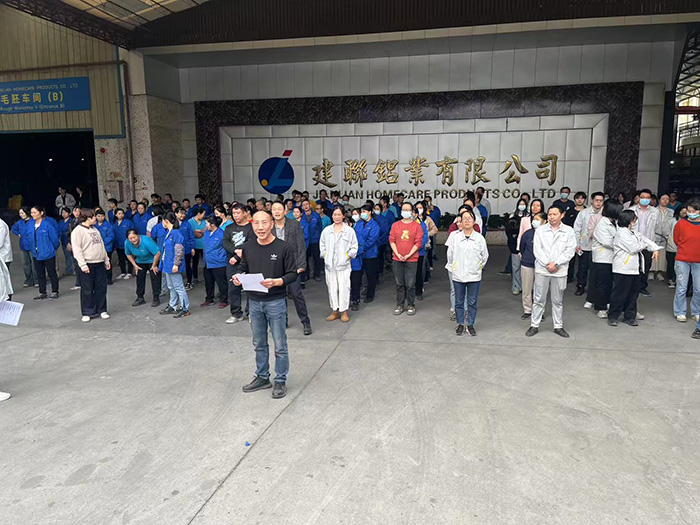
Recently, JIANLIAN HOMECARE PRODUCTS CO., LTD conducted a fire drill, comprising six stages including alarm activation and evacuation, and safety knowledge instruction. The drill aimed to test facilities, strengthen employees' fire safety awareness and practical skills, identify areas for improvement, enhance emergency response capabilities, and build a solid foundation for a safe working environment.
-
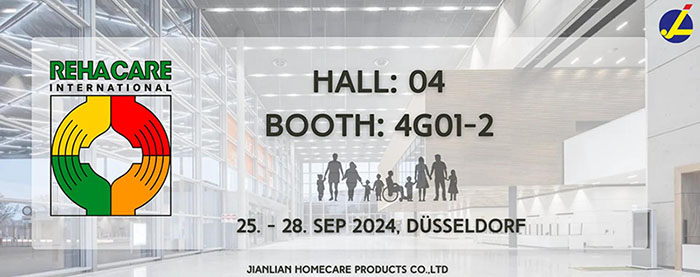
![JIANLIAN HOMECARE PRODUCTS CO., LTD participated in MEDICA Germany 2024]()
JIANLIAN HOMECARE PRODUCTS CO., LTD participated in MEDICA Germany 2024
Jianlian Home Furnishings will attend the MEDICA exhibition held at the Düsseldorf Exhibition Center from November 11 to 14, 2024, booth 16, C54-8. MEDICA is a top medical event with thousands of exhibitors, elites from all walks of life and rich programs. Welcome to visit.
-
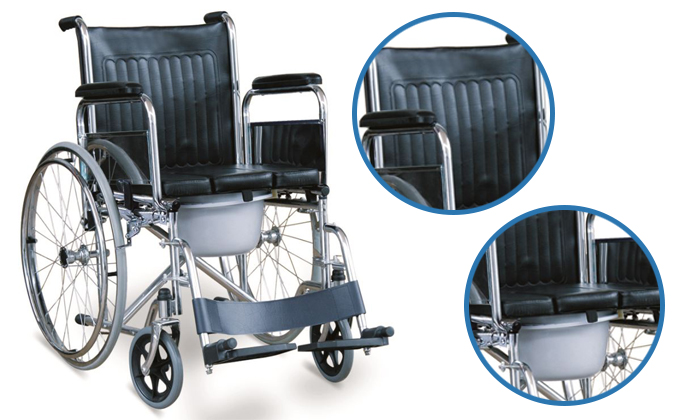
![Manual Wheelchair With Toilet Commode For Elderly]()
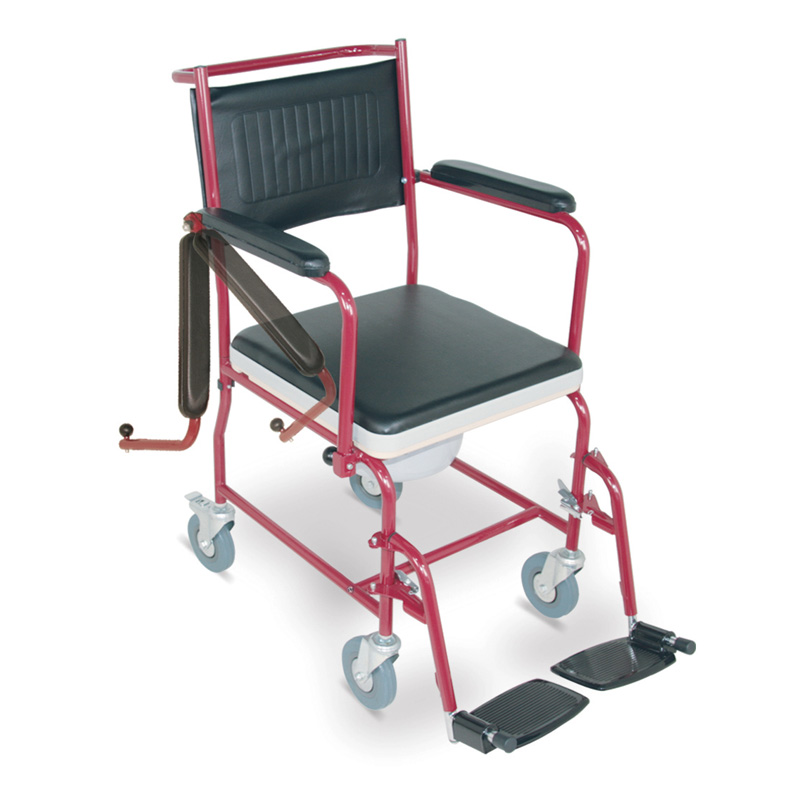
Manual Wheelchair With Toilet Commode For Elderly

Get the latest price? We will reply as soon as possible (within 12 hours)
Products
News
Top Pick Products
Top Pick News

2025-03-28
Functions of Commode Wheelchairs
2025-03-18
Are foldable canes safe?
Top Pick Case

Top Pick Videos
Contact Us
-
Phone:+86 757-85572413
-
Fax:+86-757-85565903
-
Email:gdjianlian@gdjianlian.com