


How to choose the right walking stick?
How to choose the right walking stick?
Walking sticks are essential tools for helping people with mobility impairments stabilize their posture and reduce the burden on their limbs. A suitable walking stick can significantly improve safety and comfort when traveling. Understanding your own needs, being familiar with different types of walking sticks, and the key points for selection are crucial for choosing the right lightweight walking stick.
I. Why Use a Walking Stick?
The core needs of using a lightweight walking stick are to assist movement and ensure safety.
Common scenarios include: lower limb injuries and post-operative rehabilitation requiring weight-bearing reduction; muscle weakness and decreased balance in the elderly, requiring fall prevention; arthritis, osteoporosis, and other conditions limiting limb movement; and temporary leg discomfort (such as sprains) requiring temporary support. A suitable lightweight walking stick can distribute body weight, reduce pressure on the affected area, and enhance walking stability.
II. Common Types and Characteristics of Walking Sticks
Different types of lightweight walking sticks are suitable for different scenarios and needs, each with its own advantages and disadvantages.
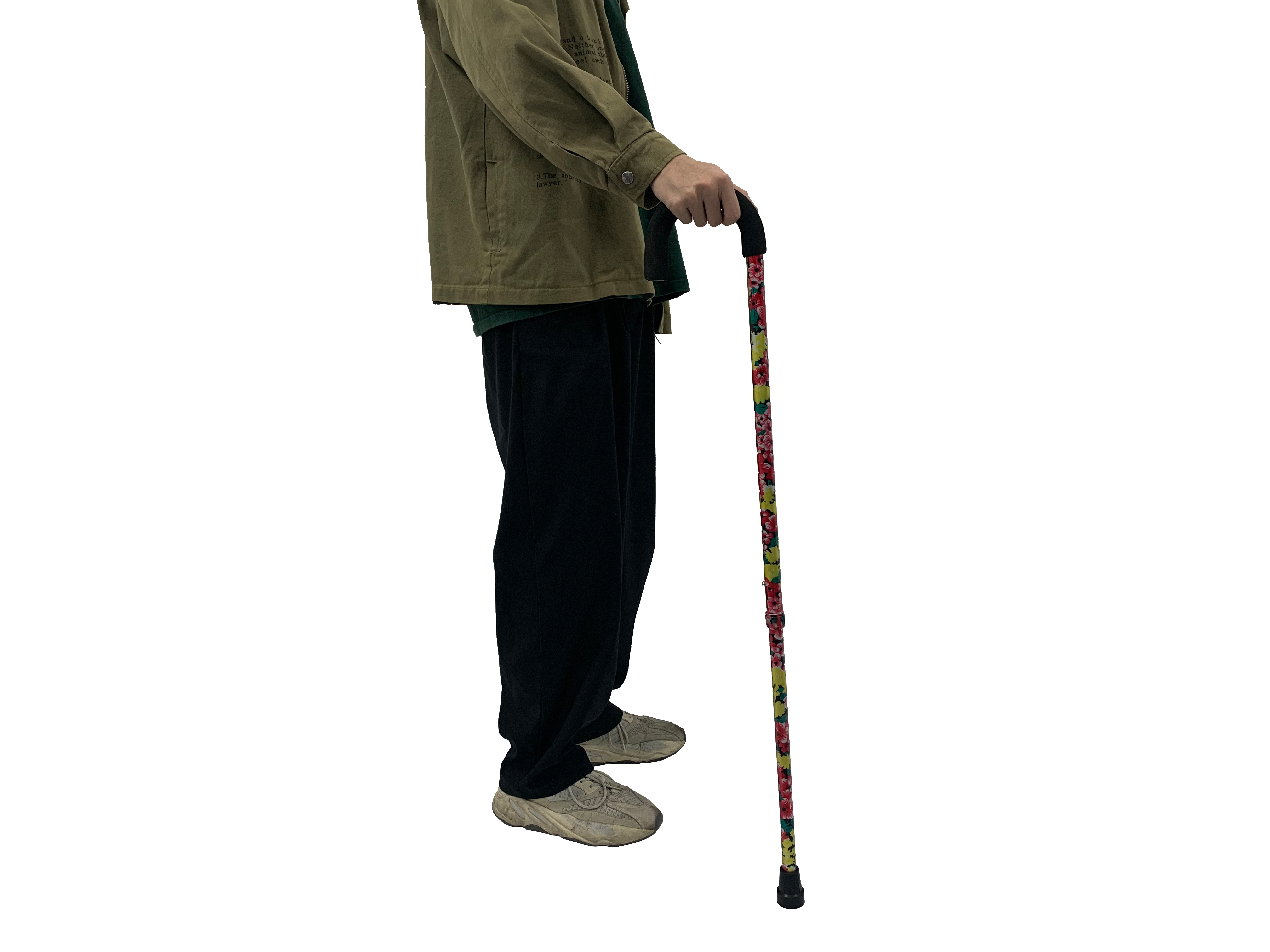
Standard walking sticks are the most common, featuring a single-leg design. They are lightweight and easy to carry, suitable for those with mild support needs, such as elderly people using them for daily walks.
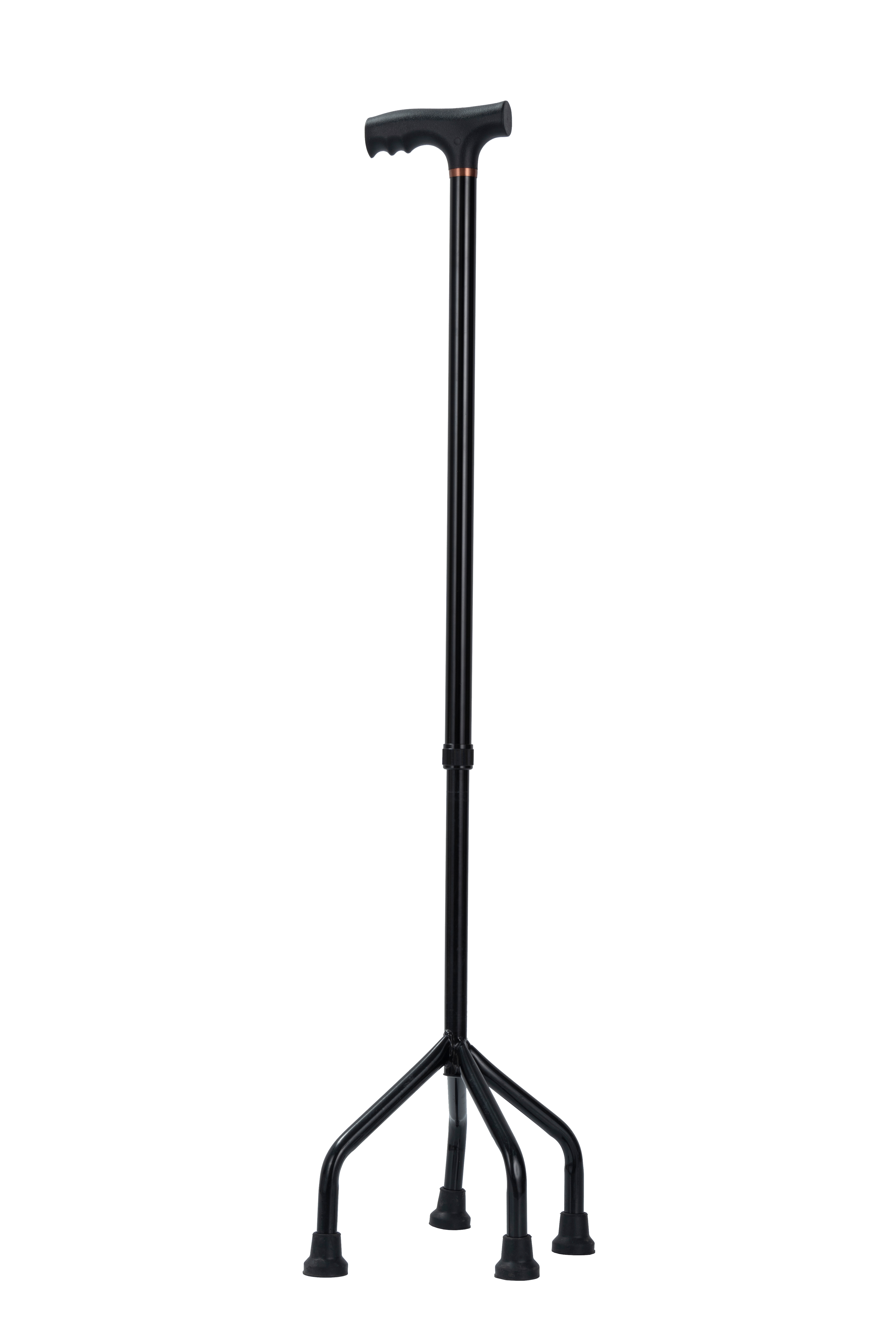
The walking stick with 4 Legs has four support points at the bottom, making the walking stick with 4 Legs more stable. The walking stick with 4 Legs is suitable for people with poor balance or those who need to bear more weight, such as those recovering in the early stages after surgery.
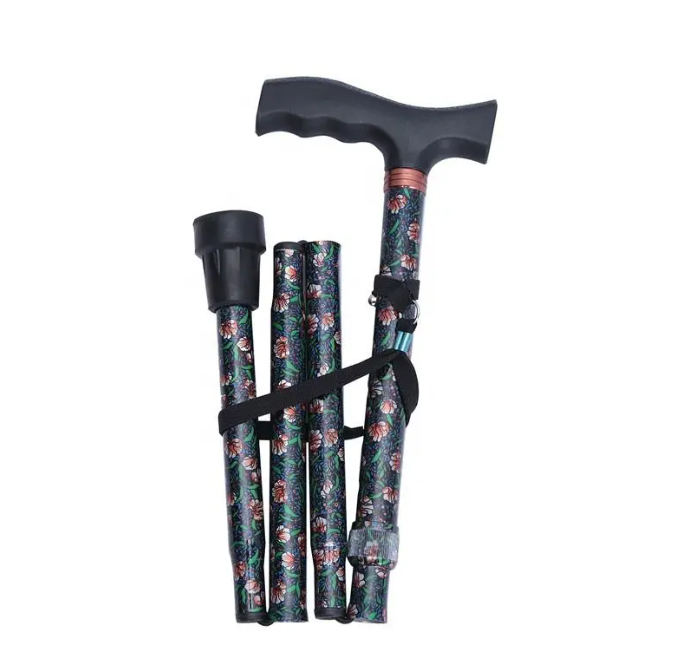
Folding lightweight walking sticks can be folded and stored, making them easy to carry when traveling. Folding lightweight walking sticks are suitable for temporary use or for people who go out frequently, but their load-bearing capacity is relatively weak.
III. Key Considerations When Choosing a Walking Stick
Height and adjustability are paramount; a suitable height prevents back pain and imbalance. When standing, place the height adjustable walking cane approximately 20cm in front of and to the outside of your feet, allowing your arm to bend naturally at a 30-40 degree angle. This is the ideal lightweight walking stick height. Adjustable lightweight walking sticks accommodate different heights and offer better value.
The handle type should fit your usage habits. Rubber handles are non-slip and soft, wooden handles have a good feel but require regular maintenance, and ergonomic handles are suitable for long-term use. The weight-bearing capacity should match your weight. Ordinary height adjustable walking canes can support about 70-100 kg, and rehabilitation height adjustable walking canes should be selected with a weight-bearing capacity that is 20% higher than your own body weight.
The material affects the weight and durability of the cane. Aluminum alloy lightweight walking stick is lightweight and rust-resistant, making it the mainstream choice; carbon fiber lightweight walking stick is lighter but more expensive; wooden lightweight walking sticks have a good texture but are prone to warping due to moisture.
IV. Tips for Safe Use of Walking Sticks
Before use, check the stability of the height adjustable walking cane, ensuring the bottom anti-slip pad is unworn and the screws are secure. When walking, follow the principle of "height adjustable walking cane first, affected limb last" to avoid direct pressure on the armpit and prevent compression of blood vessels and nerves. When going up and down stairs, hold onto the handrail and coordinate the use of the walking stick with 4 Legs with the unaffected limb. Regularly replace worn anti-slip pads and store the walking stick with 4 Legs away from direct sunlight and moisture to extend its lifespan.
Choosing the right height adjustable walking cane is fundamental to safe travel. Considering your own needs, physical condition, and usage scenarios will help you find the most suitable model, making the folding lightweight walking stick a true aid to your mobility.
-
![Cane multifunctional walking stick]() Please visit Cane multifunctional walking stick
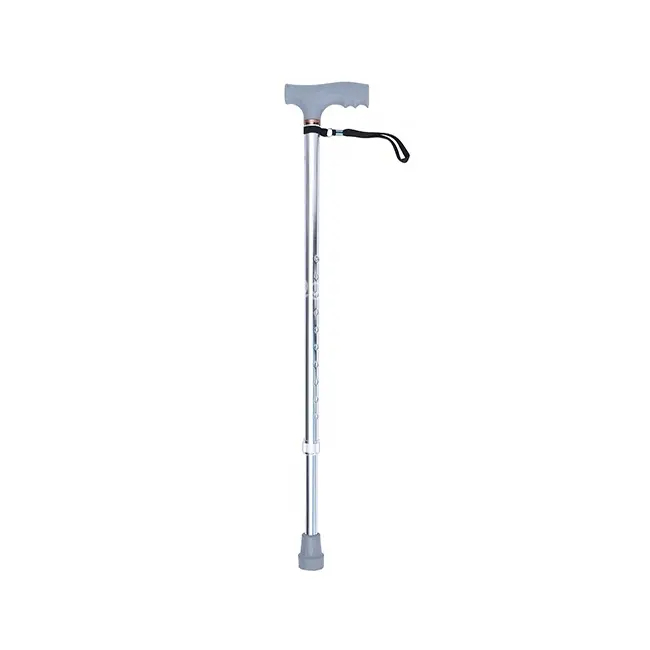
Please visit Cane multifunctional walking stickA aluminum multi-purpose walking stick is a great aid for those who need help walking. This aluminum multi-purpose walking stick is designed with multiple features to ensure maximum support and convenience for the user. The aluminum multi-purpose walking stick has an adjustable height, an ergonomic design for the hand and a wrist strap to prevent it from falling. The non-slip foot at the end enhances safety.
-
![Aluminum Foldable Reflective Guide Cane]()
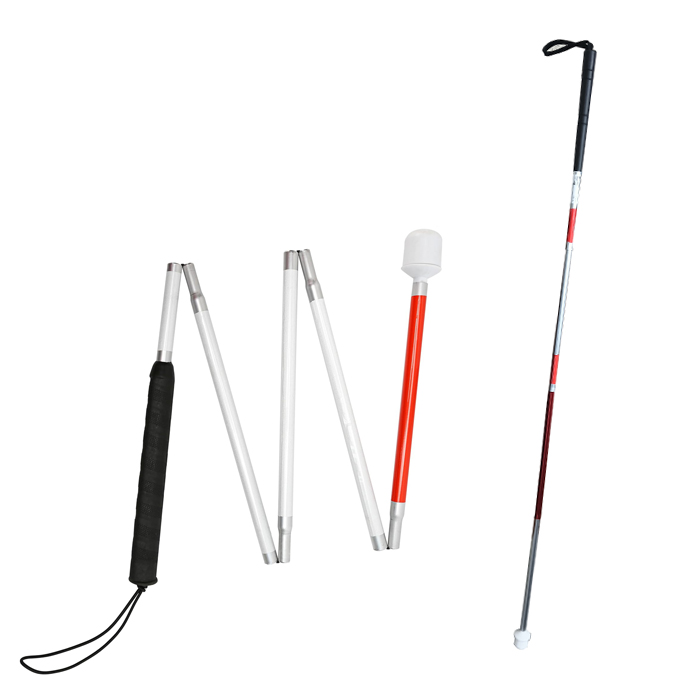
Aluminum Foldable Reflective Guide Cane
This Aluminum Foldable Reflective Guide Cane is a portable walking aid designed specifically for visually impaired individuals.This Aluminum Foldable Reflective Guide Cane features a high-elastic cord assembly design, allowing it to be quickly folded into several sections and stowed in a backpack.The shaft of this Foldable Guide Cane features a built-in high-visibility reflective film, significantly enhancing its warning effect and ensuring greater safety when traveling at night or in dimly lit environments.
-
![Walkers: A Helpful Companion in Daily Life]()
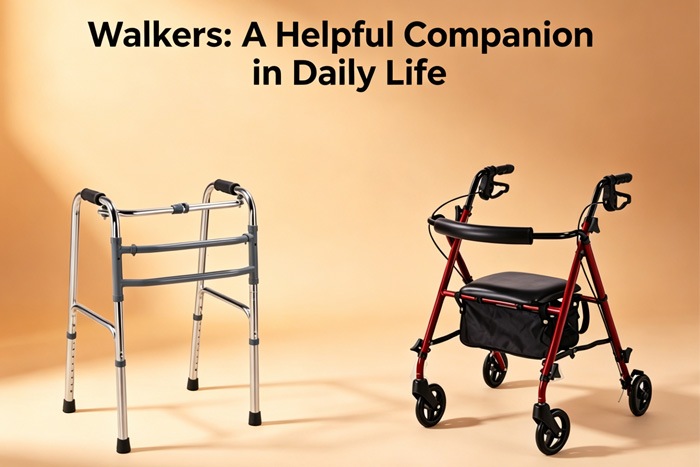
Walkers: A Helpful Companion in Daily Life
The ability to walk is fundamental to independent living; however, the elderly, patients undergoing rehabilitation, and those with mobility impairments often struggle to get around. Walkers are simple to operate and highly practical; they not only empower these individuals to move about independently but also alleviate the burden on family caregivers.
-
![JIANLIAN HOMECARE PRODUCTS CO., LTD participated in MEDICA Germany 2024]()
JIANLIAN HOMECARE PRODUCTS CO., LTD participated in MEDICA Germany 2024
Jianlian Home Furnishings will attend the MEDICA exhibition held at the Düsseldorf Exhibition Center from November 11 to 14, 2024, booth 16, C54-8. MEDICA is a top medical event with thousands of exhibitors, elites from all walks of life and rich programs. Welcome to visit.
-
![Manual Wheelchair With Toilet Commode For Elderly]()
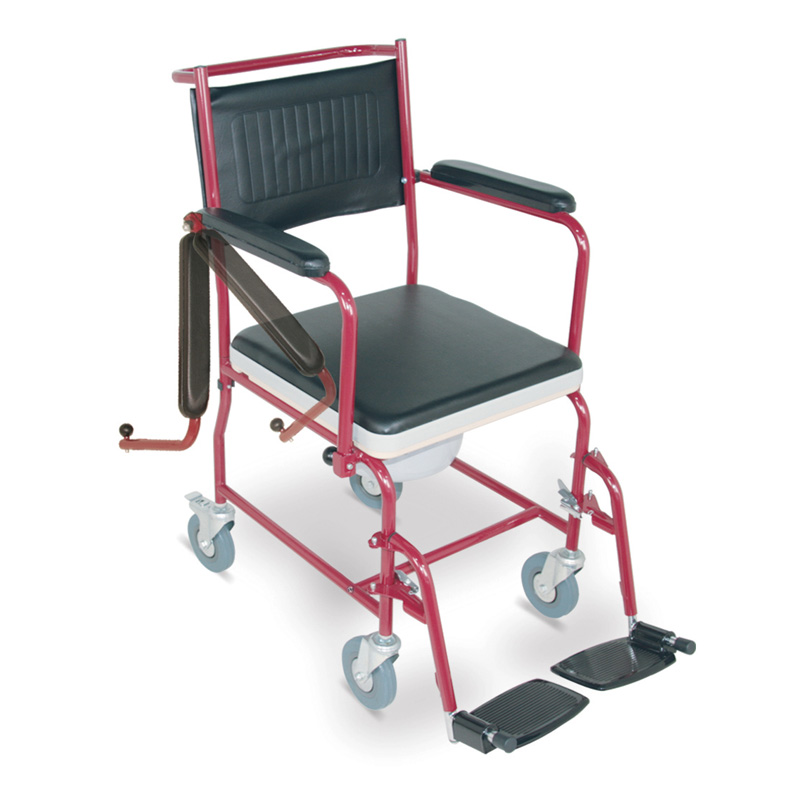
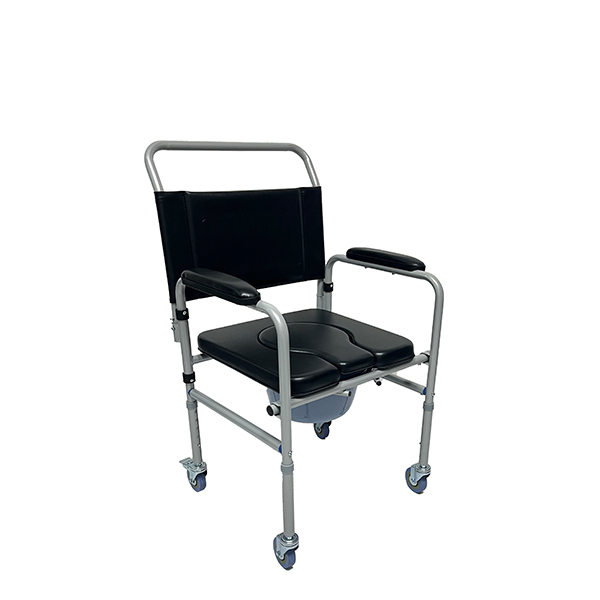
Manual Wheelchair With Toilet Commode For Elderly

Get the latest price? We will reply as soon as possible (within 12 hours)
Products
News
Top Pick Products
Top Pick News
Top Pick Case


Top Pick Videos
Contact Us
-
Phone:+86 757-85572413
-
Fax:+86-757-85565903
-
Email:gdjianlian@gdjianlian.com