


Walkers: A Helpful Companion in Daily Life
2026-06-01 04:16
The ability to walk is fundamental to independent living; however, the elderly, patients undergoing rehabilitation, and those with mobility impairments often struggle to get around. Walkers are simple to operate and highly practical; they not only empower these individuals to move about independently but also alleviate the burden on family caregivers.
Walkers: A Helpful Companion in Daily Life
The ability to walk is fundamental to independent living; however, the elderly, patients undergoing rehabilitation, and those with mobility impairments often struggle to get around. Walkers are simple to operate and highly practical; they not only empower these individuals to move about independently but also alleviate the burden on family caregivers.
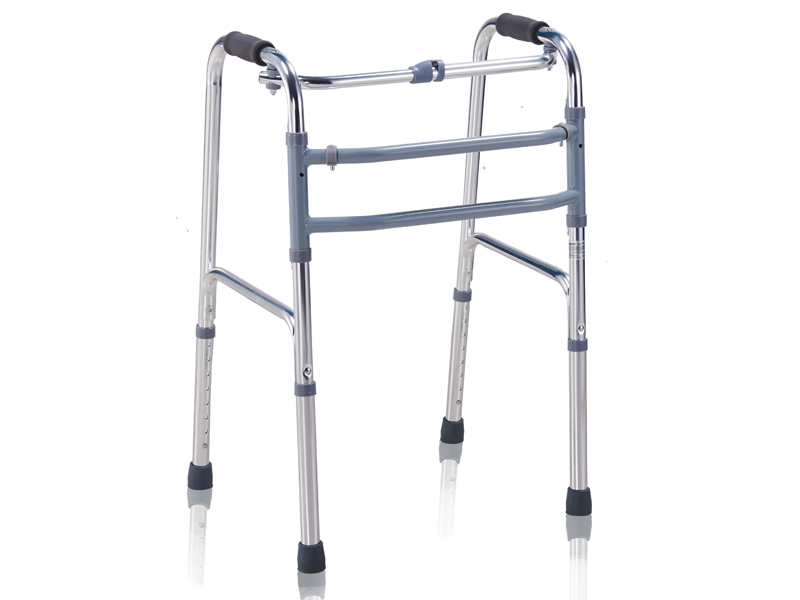
The primary function of a walker is to provide stable support and safeguard mobility. Unlike crutches, which rely on single-point support, standard walkers utilize a four-sided frame structure; this distributes weight over a wider area and ensures a more stable center of gravity, thereby effectively preventing falls.Most elderly individuals experience a decline in leg muscle strength and suffer from osteoporosis; consequently, they tend to walk unsteadily and with weakness, making them highly susceptible to fractures—and a subsequent loss of self-care capabilities—should they fall.Using a walker helps distribute body weight and alleviate pressure on the bones and joints of the lower limbs, thereby facilitating steadier walking, addressing gait instability, and effectively reducing the risk of accidents at the source.
In the field of rehabilitation, walkers possess indispensable utility, serving as a core assistive tool for recovery following injury, illness, or surgery. Patients recovering from leg fractures, joint replacement surgery, or the aftereffects of a stroke require a gradual, step-by-step approach to regain their ability to walk.Prolonged bed rest can easily lead to muscle atrophy and poor blood circulation; a walker provides safe support for rehabilitation training. With the aid of this device, patients can exercise their lower-limb muscles, gradually adapt to standing and walking, and regain limb coordination and balance.Compared to manual assistance, a walker provides uniform and stable support, preventing improper weight-bearing on the limbs. This not only enhances rehabilitation efficiency but also prevents secondary injuries, thereby effectively shortening the recovery period.
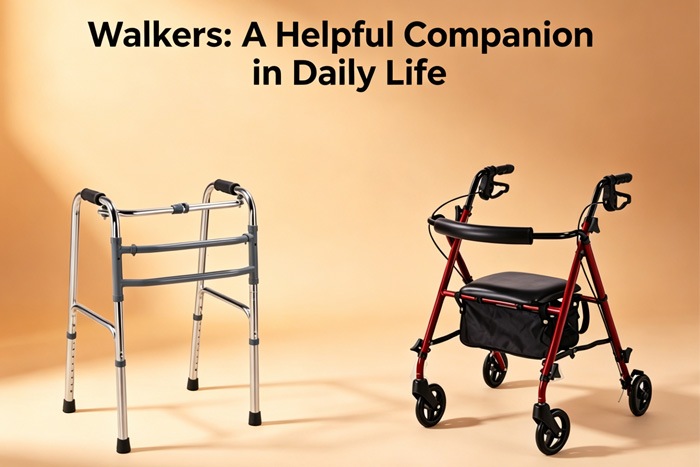
Walkers are adaptable to a wide variety of daily living scenarios, empowering users to regain their independence. Through iterative upgrades, modern walkers now come in a rich array of styles—including lightweight foldable models, wheeled versions, and those equipped with seats—catering to the diverse needs of different user groups.While at home, users can utilize a walker to move around, retrieve items, attend to personal hygiene, and use the restroom independently—eliminating the need for constant family supervision, breaking free from a sedentary or bedridden state, and enhancing their autonomy in daily life.When venturing outdoors, lightweight models are easy to carry, while wheeled versions require minimal effort to push—making them ideal for seniors and individuals undergoing rehabilitation during walks or short shopping trips, thereby enriching daily activities and providing physical and mental relaxation. Models equipped with a seat allow for rest at any time, catering specifically to the reduced physical stamina often associated with older adults.
At the same time, the walker significantly alleviates the caregiving burden on family members, embodying both practical utility and humanistic warmth.For individuals with limited mobility, the absence of assistive devices necessitates constant, unceasing physical support and care from family members; this not only consumes a significant amount of time and energy but also frequently leads to back and lumbar strain for the caregivers.Walkers free up caregiving resources while preserving a sphere of independent living for users; they safeguard their dignity and self-confidence, thereby alleviating the anxiety and feelings of inferiority often associated with mobility impairments.
All in all, while a walker is a simple assistive device, it upholds both the daily convenience and the dignity of individuals with mobility impairments.Safe, stable, and highly adaptable, it features simple operation and practical functionality. Suitable for a wide range of scenarios—including daily walking, rehabilitation training, and short-distance travel—it serves as both a safeguard for mobility and a thoughtful companion for independent living, making it an indispensable aid in the daily lives of those with mobility challenges.
-
![Lightweight Aluminum Stylish Custom Straight Cane]() Please visit Lightweight Aluminum Stylish Custom Straight Cane
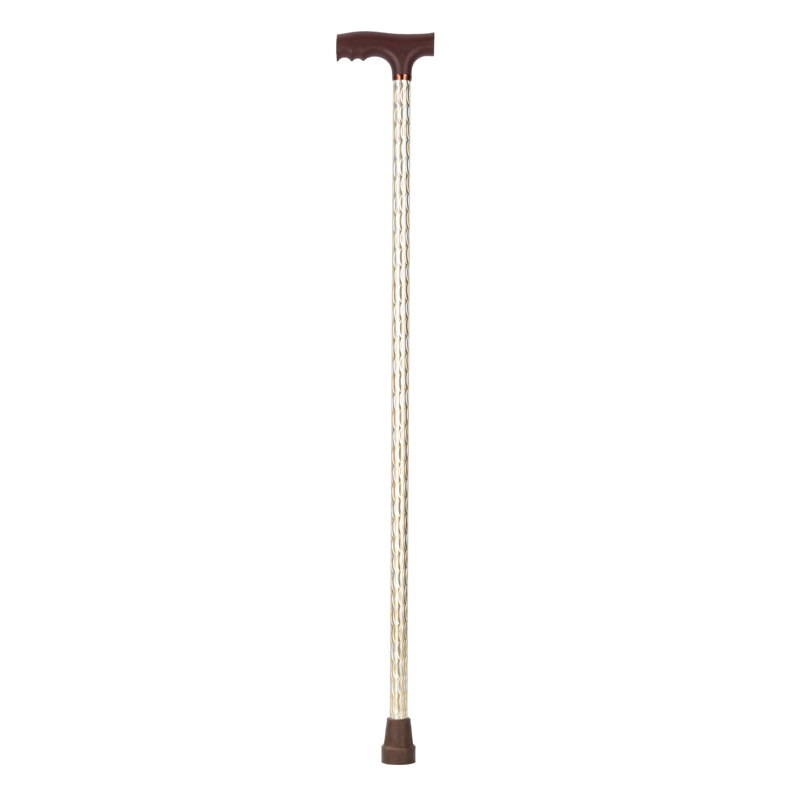
Please visit Lightweight Aluminum Stylish Custom Straight CaneOur Straight Cane is a dependable daily mobility aid: this Straight Aluminum Cane also our lightweight Aluminum Walking Cane features a comfortable T-Handle Cane grip, non-slip tip, and custom Engraved Etched Walking Stick finishes. The one-piece shaft ensures steady support, blending durability and personalized style seamlessly.
Get the latest price? We will reply as soon as possible (within 12 hours)
Products
News
Top Pick Products
Top Pick News
Top Pick Case



Top Pick Videos
Contact Us
-
Phone:+86 757-85572413
-
Fax:+86-757-85565903
-
Email:gdjianlian@gdjianlian.com