


This paper a passive step-climbing for a mobility (rollator or walker)
In recent years, there has been a growing need for mobility aids such as rollators and walkers to assist individuals with their daily activities. These mobility aids provide a sense of independence and ease of movement, helping people to maintain an active and healthy lifestyle.
To enhance the functionality of these devices, researchers have been working towards developing new features, one of which is passive step-climbing. This technology enables rollators and walkers to easily climb over obstacles such as curbs, door thresholds, and other uneven surfaces effortlessly and safely.
The passive step-climbing feature is designed to provide a smooth ride for users, without causing any discomfort or inconvenience. It is easy to operate and requires minimal user input, making it an ideal addition to any mobility aid.With the passive step-climbing feature, individuals can confidently navigate different terrains, expanding their accessibility to more areas and activities. It promotes a sense of empowerment and self-sufficiency, enabling users to maintain an active and fulfilling life.
In conclusion, passive step-climbing is a significant advancement in the development of mobility devices. It enhances the functionality of rollators and walkers, providing a smooth and effortless ride for users. With its many benefits, it is poised to become an essential feature in all mobility aids, improving the lives of individuals who rely on these devices.
This paper describes a passive step-climbing mechanism for a mobility aid (rollator or walker). The mechanism can generate the up–down motion of wheels by making use of a gear pair and links, and such motion enables the user to transform his/her pushing force into the lifting and supporting forces for step climbing. It is usually hard for a conventional manual mobility aid to climb up a step higher than half of its front wheel's radius. This paper shows that our mechanism is able to climb up a step which is higher than the radius. In this paper, we first describe the components of our developed step-climbing mechanism and their arrangement. Then, the geometric and force conditions for accomplishing step climbing are discussed. In addition, it is shown that our mechanism can reduce shocks produced from an unexpected collision with a step. This property must be suitable for a mobility aid. we discuss power assistance for easier and safer handling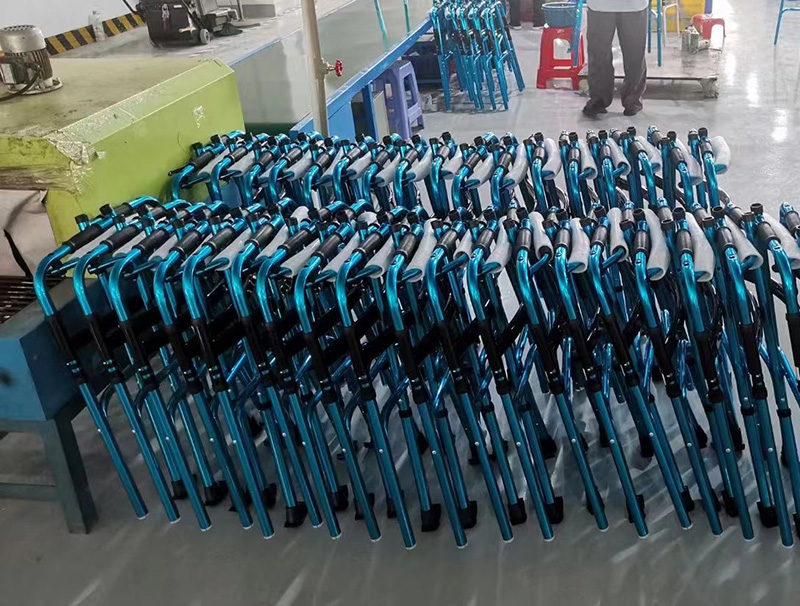
-
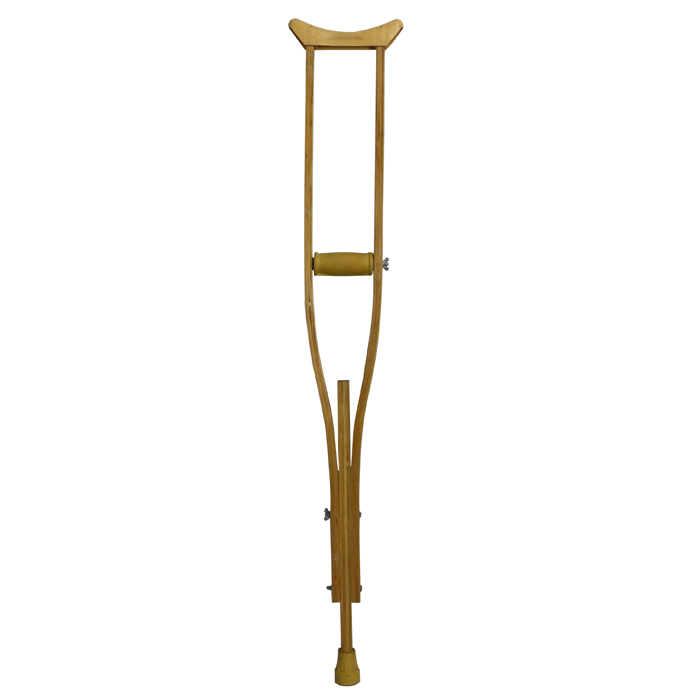
![Lightweight and adjustable wooden underarm cane]()
Lightweight and adjustable wooden underarm cane
This Lightweight and adjustable wooden underarm cane is a classic medical rehabilitation aid, typically used by people recovering from fractures, those with lower limb injuries, or those with mobility impairments.Compared to modern aluminum alloy canes, this Wooden underarm cane is more resilient, has a stronger load-bearing capacity, and is less prone to bending and deformation.
-
![Walkers: A Helpful Companion in Daily Life]()
Walkers: A Helpful Companion in Daily Life
The ability to walk is fundamental to independent living; however, the elderly, patients undergoing rehabilitation, and those with mobility impairments often struggle to get around. Walkers are simple to operate and highly practical; they not only empower these individuals to move about independently but also alleviate the burden on family caregivers.
-
![JIANLIAN HOMECARE PRODUCTS CO., LTD participated in MEDICA Germany 2024]()
JIANLIAN HOMECARE PRODUCTS CO., LTD participated in MEDICA Germany 2024
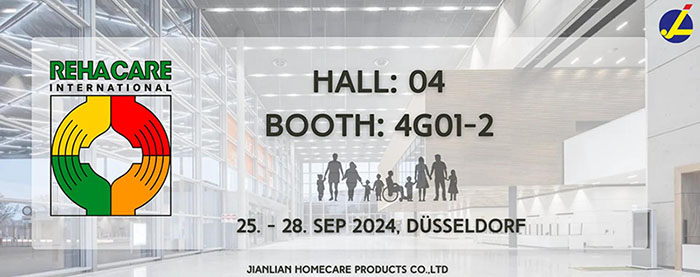
Jianlian Home Furnishings will attend the MEDICA exhibition held at the Düsseldorf Exhibition Center from November 11 to 14, 2024, booth 16, C54-8. MEDICA is a top medical event with thousands of exhibitors, elites from all walks of life and rich programs. Welcome to visit.
-
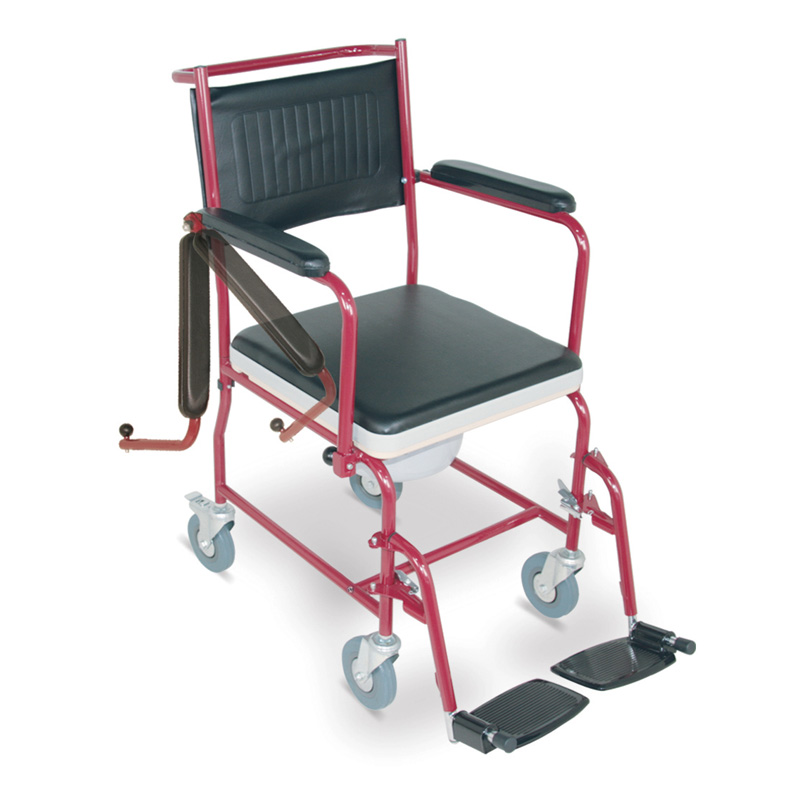
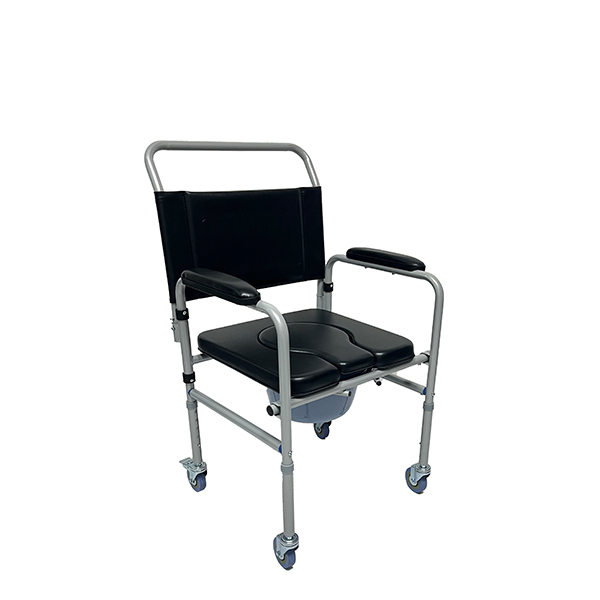
![Manual Wheelchair With Toilet Commode For Elderly]()
Manual Wheelchair With Toilet Commode For Elderly


Get the latest price? We will reply as soon as possible (within 12 hours)
Products
News
Top Pick Products
Top Pick News
Top Pick Case

Top Pick Videos
Contact Us
-
Phone:+86 757-85572413
-
Fax:+86-757-85565903
-
Email:gdjianlian@gdjianlian.com