


Who should not use a rollator walker?
Who should not use a rollator walker?
Individuals with severe cognitive impairment:
This includes people with severe dementia, severe brain injury leading to confusion, and those unable to understand and follow instructions. These individuals cannot independently control the direction and speed of a Mobility Moving Walker, and therefore cannot benefit from the Mobility Moving Walker's assistance. They are also highly susceptible to accidents such as collisions and falls due to improper Mobility Moving Walker handling. Therefore, Mobility Moving Walkers are absolutely unsuitable for this group.
Individuals with upper limb weakness or severe joint dysfunction:
The core function of a Mobility Moving Walker is to provide support and facilitate movement by transferring force through the upper limbs. If there is upper limb muscle atrophy, advanced stage frozen shoulder, elbow joint contracture or deformity, or severe hemiplegia of the upper limbs after a stroke, preventing the individual from gripping the Walker Standing Frame's handles or transferring supporting force through the upper limbs, using a Walker Standing Frame will not only fail to provide assistance but may also increase the burden on the limbs due to the effort required to manipulate the device, potentially leading to secondary injuries. Therefore, Walker Standing Frame is not suitable for such individuals.
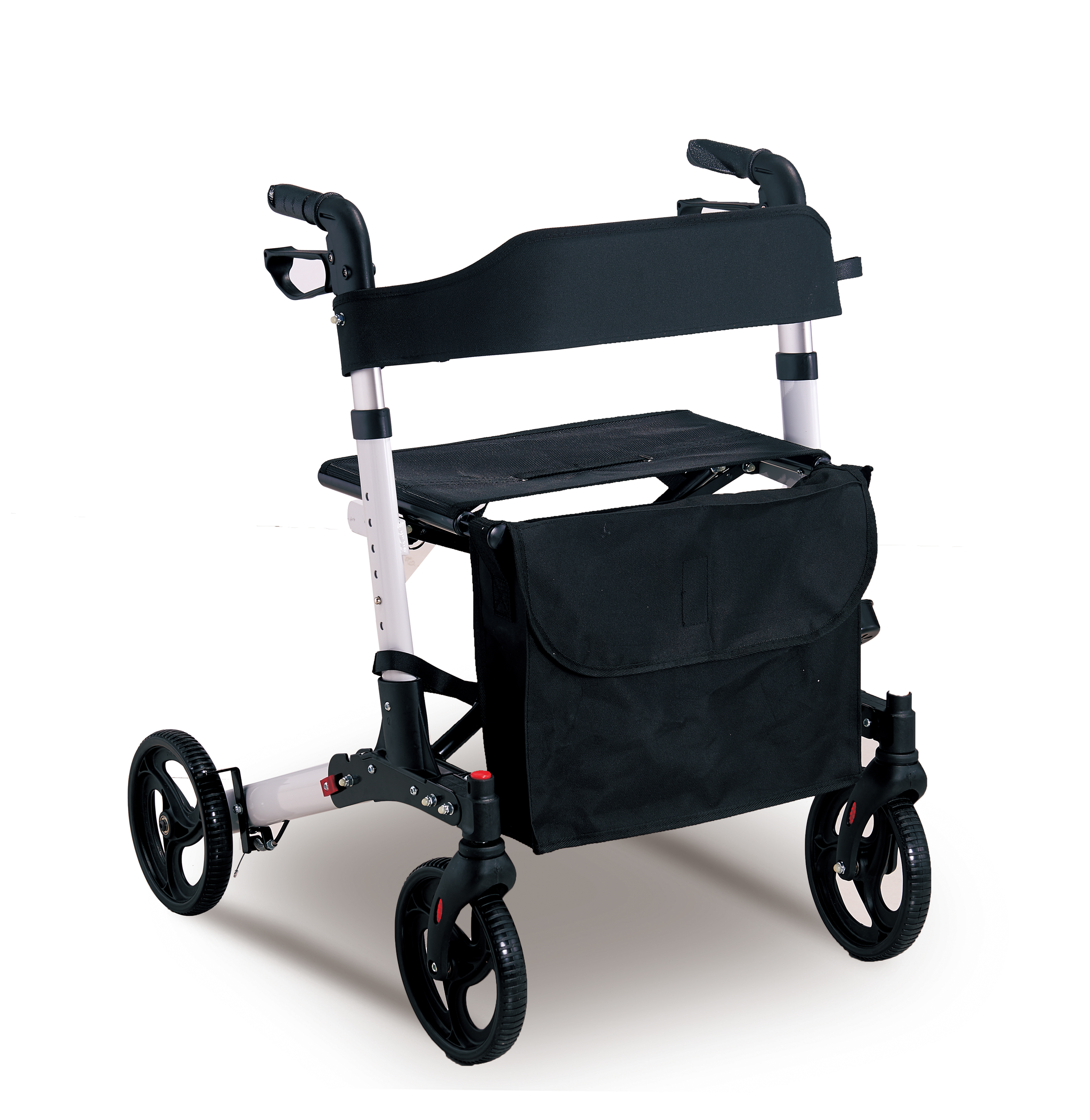
Patients with acute lower extremity injuries or inflammation:
This includes individuals with unhealed lower extremity fractures, acute synovitis, or acute gouty arthritis, accompanied by severe pain, swelling, and limited mobility. The primary need at this stage is immobilization and rest. Blindly using Rolling Walker for Adults for weight-bearing ambulation will directly increase pressure on the injured area, severely delaying the recovery process. Therefore, the use of Rolling Walker for Adults is strictly prohibited during this stage.
Individuals with severely impaired balance:
For example, those with extreme weakness due to advanced cancer or severe cardiopulmonary disease, or those with advanced Parkinson's disease accompanied by severe tremors and balance disorders who are unable to stand stably, the balance support provided by Rolling Walker for Adults is limited and cannot meet the safety needs of these individuals. The risk of falling is extremely high when using a Rolling Walker for Adults. These individuals should not be forced to use a Rolling Walker for Adults and are better suited to using a wheelchair for mobility.
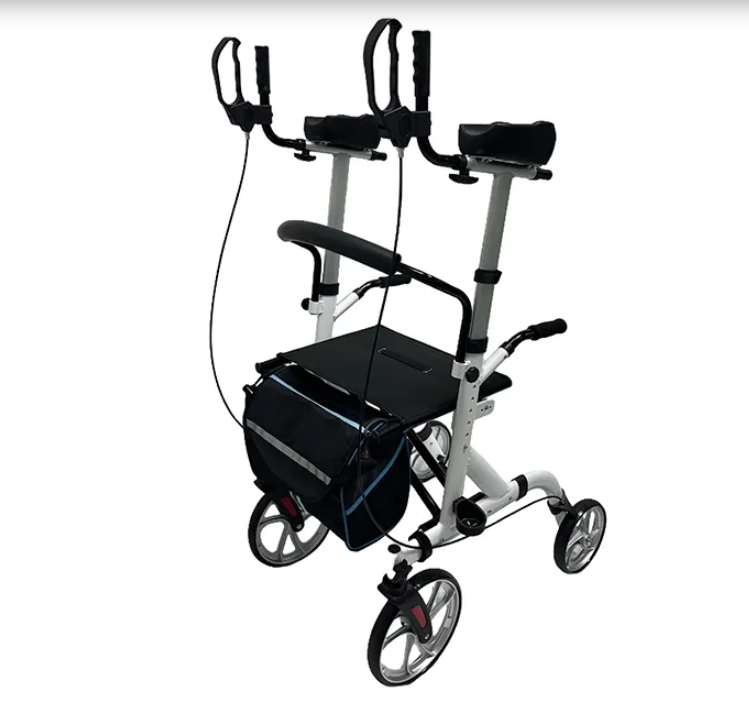
Individuals with severe visual impairments and without assistance:
For example, people who are completely blind and do not have guide dogs or personal assistants cannot clearly identify obstacles and steps in their surroundings. When using a Stand Up Rollator Walker, they cannot use their vision to avoid risks, nor can they accurately control the Stand Up Rollator Walker to avoid obstacles. This makes them highly susceptible to accidents such as collisions and falls caused by the Mobility Moving Walker hitting obstacles. Therefore, using a Stand Up Rollator Walker independently is not suitable for them.
Alternatives to Upright Rollator Walkers:
If a Upright Rollator Walker is not suitable for you, you can choose other alternative tools based on your individual circumstances:
Crutches: If you only need support for one leg to assist with walking and don't need to rely on a Upright Rollator Walker, crutches are a more suitable option;
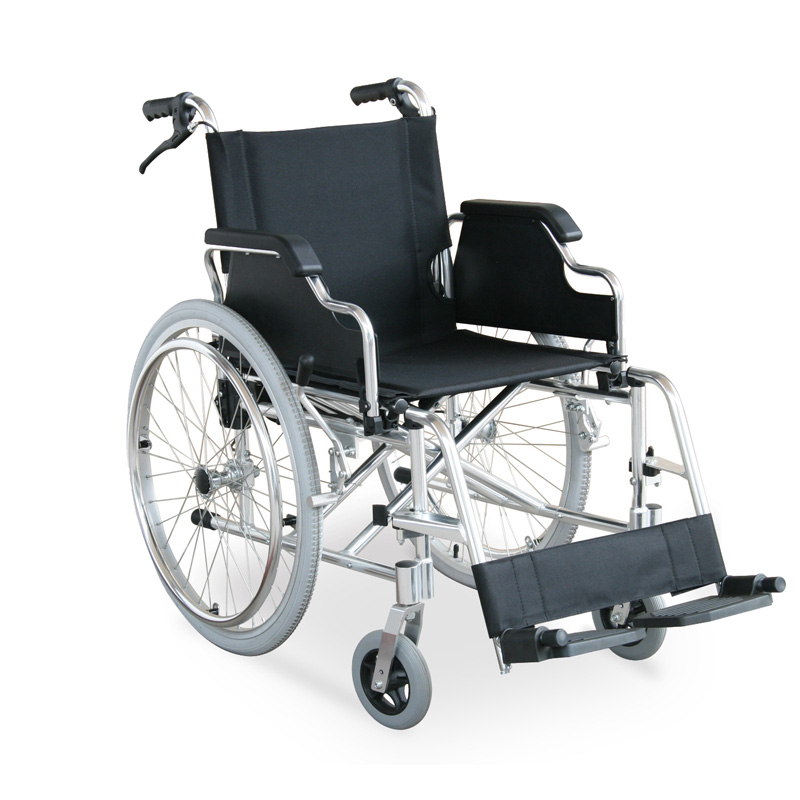
Wheelchair: For people with severely limited mobility who cannot walk with the help of a Upright Rollator Walker, a wheelchair is the best choice to ensure safe and convenient mobility;
Knee scooter: If you cannot bear weight on one leg, but have good balance and limb strength and don't need a Upright Rollator Walker, a knee scooter can meet your assisted walking needs.
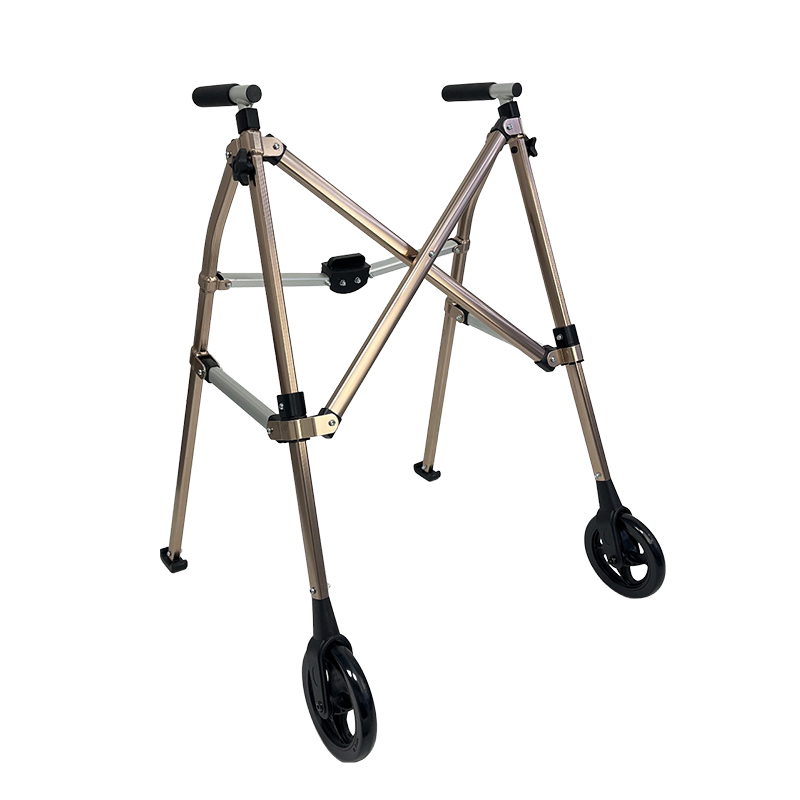
-
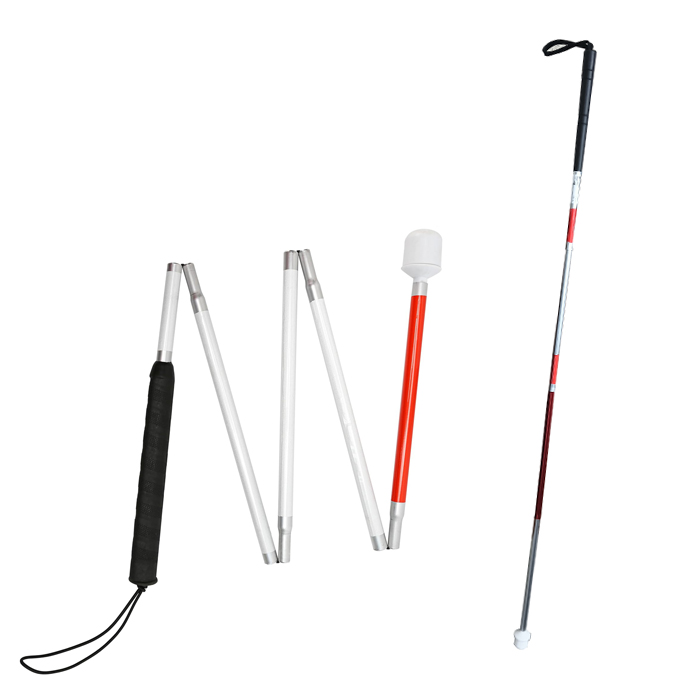
![Aluminum Foldable Reflective Guide Cane]()
Aluminum Foldable Reflective Guide Cane
This Aluminum Foldable Reflective Guide Cane is a portable walking aid designed specifically for visually impaired individuals.This Aluminum Foldable Reflective Guide Cane features a high-elastic cord assembly design, allowing it to be quickly folded into several sections and stowed in a backpack.The shaft of this Foldable Guide Cane features a built-in high-visibility reflective film, significantly enhancing its warning effect and ensuring greater safety when traveling at night or in dimly lit environments.
-
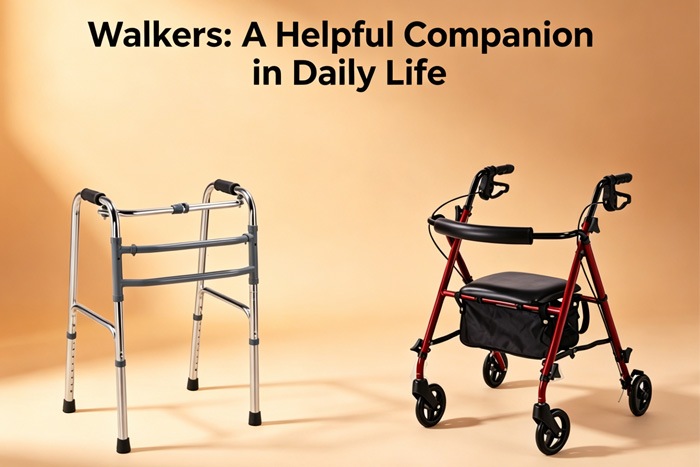
![Walkers: A Helpful Companion in Daily Life]()
Walkers: A Helpful Companion in Daily Life
The ability to walk is fundamental to independent living; however, the elderly, patients undergoing rehabilitation, and those with mobility impairments often struggle to get around. Walkers are simple to operate and highly practical; they not only empower these individuals to move about independently but also alleviate the burden on family caregivers.
-
![JIANLIAN HOMECARE PRODUCTS CO., LTD participated in MEDICA Germany 2024]()
JIANLIAN HOMECARE PRODUCTS CO., LTD participated in MEDICA Germany 2024
Jianlian Home Furnishings will attend the MEDICA exhibition held at the Düsseldorf Exhibition Center from November 11 to 14, 2024, booth 16, C54-8. MEDICA is a top medical event with thousands of exhibitors, elites from all walks of life and rich programs. Welcome to visit.
-
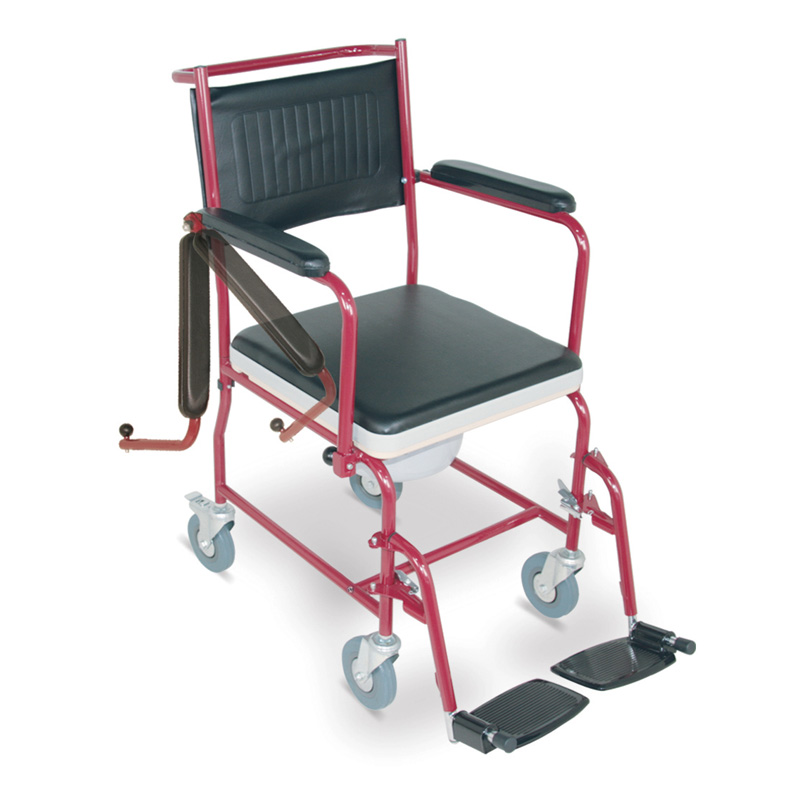
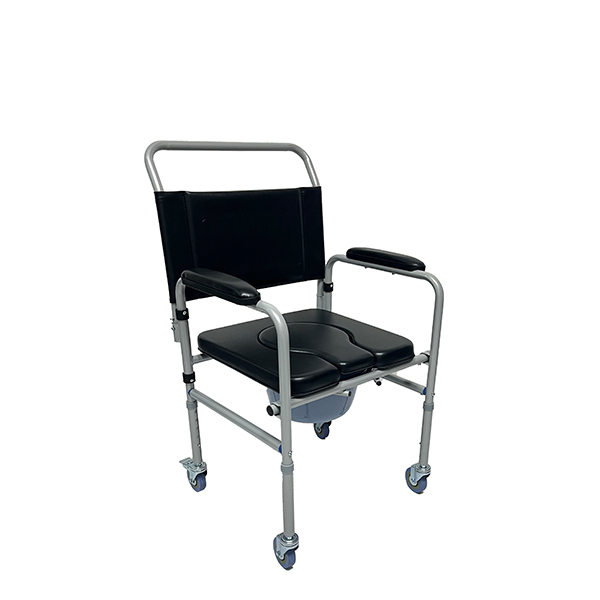
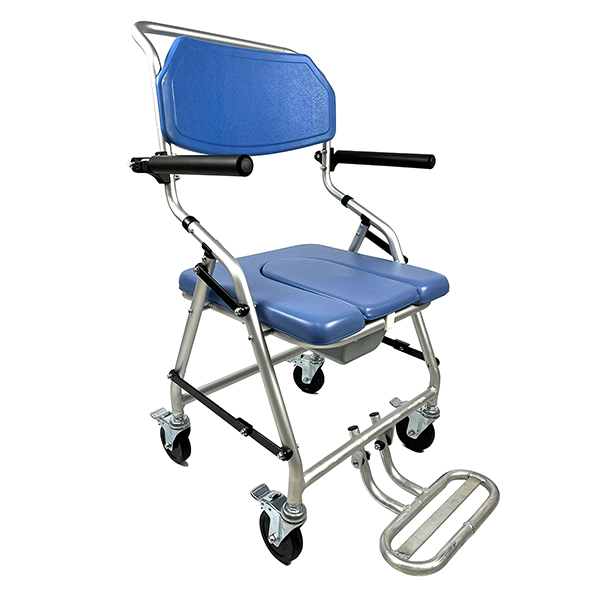
![Manual Wheelchair With Toilet Commode For Elderly]()
Manual Wheelchair With Toilet Commode For Elderly

Get the latest price? We will reply as soon as possible (within 12 hours)
Products
News
Top Pick Products
Top Pick News
Top Pick Case


Top Pick Videos
Contact Us
-
Phone:+86 757-85572413
-
Fax:+86-757-85565903
-
Email:gdjianlian@gdjianlian.com