


How to adjust the height of a walker?
2026-01-31 04:00
Adjusting the height of a Walking Aids For Rehabilitation is crucial, as an improper height can lead to discomfort and risks. The ideal height for a Height Adjustable Aluminum Alloy Walker is level with your wrist. Follow the steps to adjust the Elderly Aluminum Walker Frame and try walking with the Walking Aids For Rehabilitation to ensure it is stable and balanced.
How to adjust the height of a walker?
If a Hospital Medical Equipment Walking Aids is too low, it forces the user to bend over and hunch their shoulders. This improper posture not only looks bad but can also cause back pain, increased fatigue, and significantly increase the risk of tripping. Conversely, if the Hospital Medical Equipment Walking Aids is too high, it can easily lead to the user shrugging their shoulders, placing extra strain on the neck and arms.
The ideal height for a Hospital Medical Equipment Walking Aids should be level with the user's wrist when standing upright with their arms naturally hanging down. This allows the arms to comfortably support some of the body weight, maintain an upright posture, and make walking easier and smoother.
Clinical experience sharing from an occupational therapist: Through practical application, it has been observed that simply adjusting the height of a Medical Home Care Aluminum Walker to wrist level significantly improves the user's mobility endurance and increases their confidence when walking. This seemingly minor adjustment, when consistently applied over time, can effectively improve the user's independence in daily life.
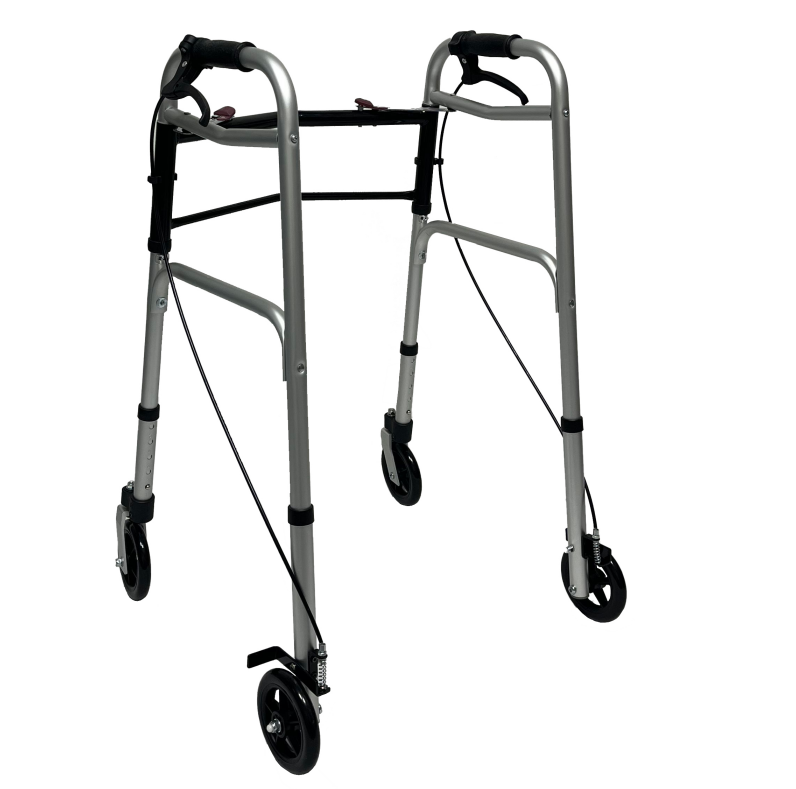
Medical Home Care Aluminum Walker Height Adjustment Step-by-Step Guide
It's worth noting that most Medical Home Care Aluminum Walkers on the market support tool-free adjustment. The specific steps are as follows:
1. Locate the locking pin: A pressable metal locking pin can be found on each leg of the Height Adjustable Aluminum Alloy Walker.
2. Slide and adjust the leg: While holding down the Walking Aids For Rehabilitation's locking pin, slide the Walking Aids For Rehabilitation's leg up or down until the pin clicks precisely into the new adjustment hole.
3. Use the scale for calibration: Many Height Adjustable Aluminum Alloy Walkers have numerical scales marked next to the adjustment holes. Use these scales to easily ensure all four legs are at the same height.
4. Adjust front and rear legs simultaneously: Remember to adjust the rear legs at the same time. If the rear legs have tennis balls, skis, or other special foot pads installed, their scale values may differ from the front legs. In this case, you should use a level to calibrate rather than relying solely on the scale values.
Check for correct posture: Stand inside the Elderly Aluminum Walker Frame with your arms naturally relaxed. Your wrists should be level with the handlebars.
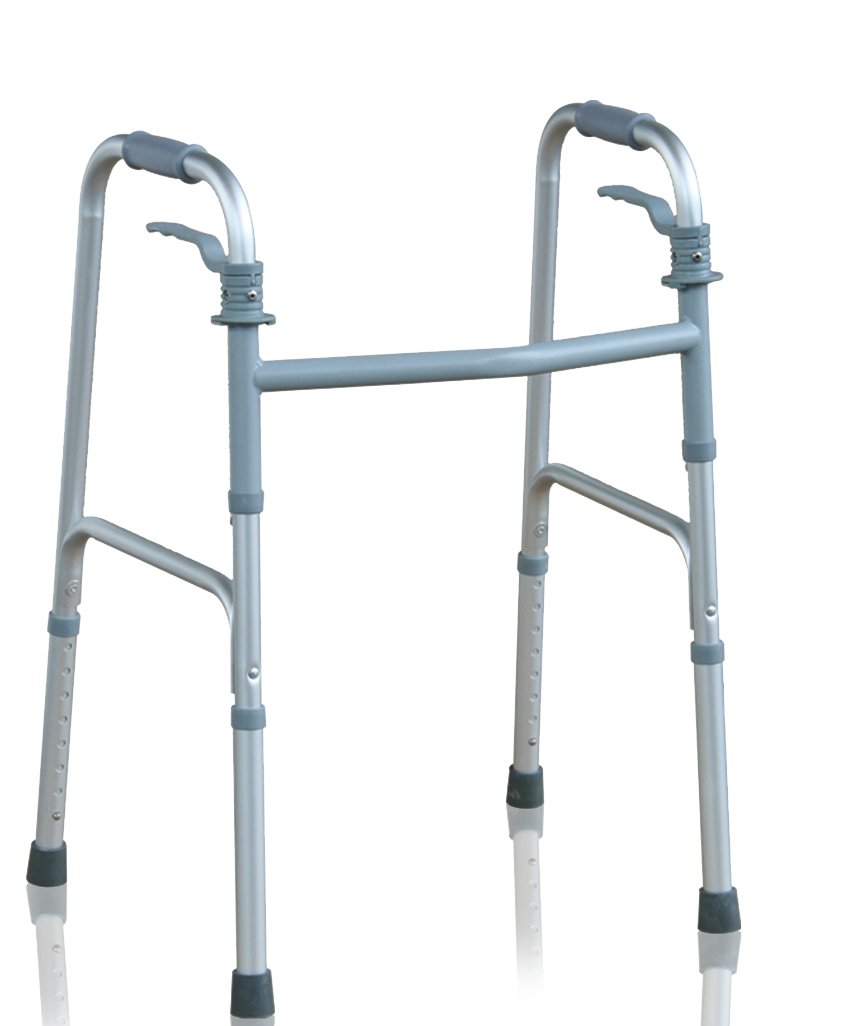
After adjusting the Elderly Aluminum Walker Frame's height, try walking a few steps to ensure the Elderly Aluminum Walker Frame is stable and the weight is evenly distributed. If you feel any instability or tilting to one side, double-check that the height settings on both sides are exactly the same.
A Medical Home Care Aluminum Walker should serve you, not become a burden. By ensuring the walking aid's height matches your wrist level, you can enjoy a safer and more comfortable mobility experience.
A few minutes of adjustment can prevent long-term pain, reduce the risk of falls, and give you the confidence to move freely in your own home.
-
![Medical Home Care Aluminum Walker]() Please visit Medical Home Care Aluminum Walker
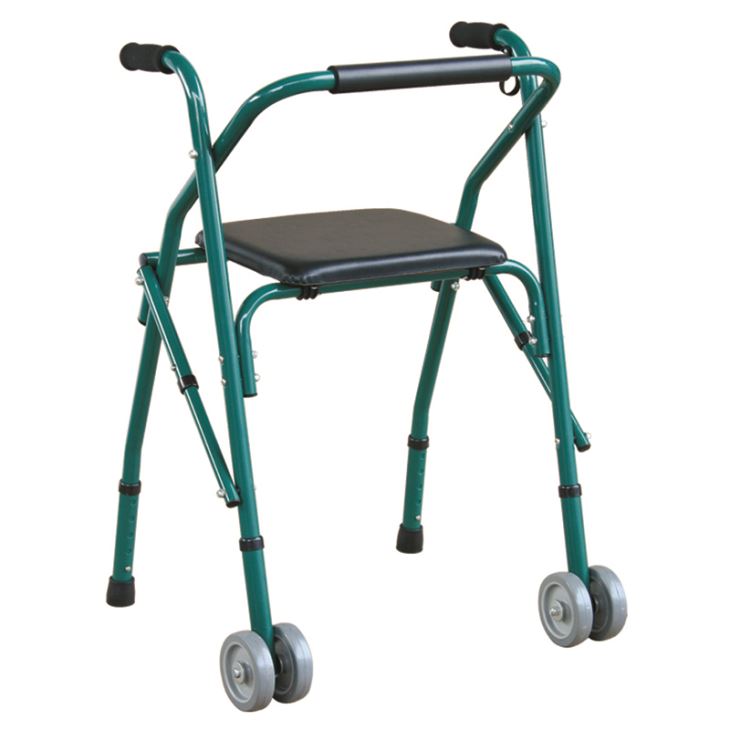
Please visit Medical Home Care Aluminum WalkerThis Height Adjustable Aluminum Alloy Two-wheeled Walker is made of a lightweight and durable aluminum frame, which is sturdy and portable. Height Adjustable Aluminum Alloy Two-wheeled Walker easy-to-fold design makes it easy to store and carry. The comfortable foam handle improves the grip experience; the non-slip rubber ensures safe walking.
Get the latest price? We will reply as soon as possible (within 12 hours)
Products
News
Top Pick Products
Top Pick News

Top Pick Case



Top Pick Videos
Contact Us
-
Phone:+86 757-85572413
-
Fax:+86-757-85565903
-
Email:gdjianlian@gdjianlian.com