


How should one choose between underarm crutches and forearm crutches?
2026-05-04 04:34
In our daily lives, many people require the use of crutches; however, crutches come in various classifications. Today, we will discuss the functional differences between underarm crutches and forearm crutches, as well as how to choose the right type.
How should one choose between underarm crutches and forearm crutches?
In our daily lives, many people require the use of crutches; however, crutches come in various classifications. Today, we will discuss the functional differences between underarm crutches and forearm crutches, as well as how to choose the right type.
I. Structure and Weight-Bearing Mechanism
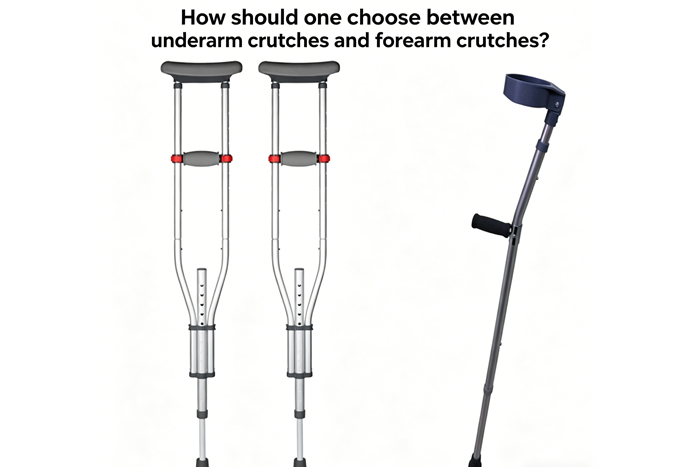
Axillary Crutches: Composed of an axillary pad, a handgrip, a shaft, and a non-slip base. Weight-bearing support is distributed between the underarm and the hand; the majority of the body weight rests on the underarm, with the axillary pad serving to support the body.
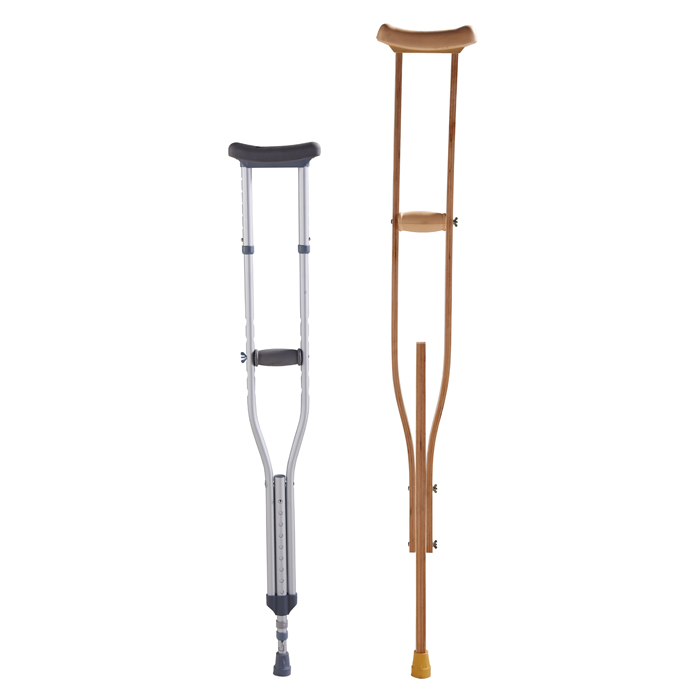
Forearm Crutches: Composed of a forearm cuff/support, a handgrip, a shaft, and a non-slip base. Weight-bearing support is distributed between the forearm and the hand; they place absolutely no pressure on the axilla, with the body weight instead distributed across the arm and wrist.
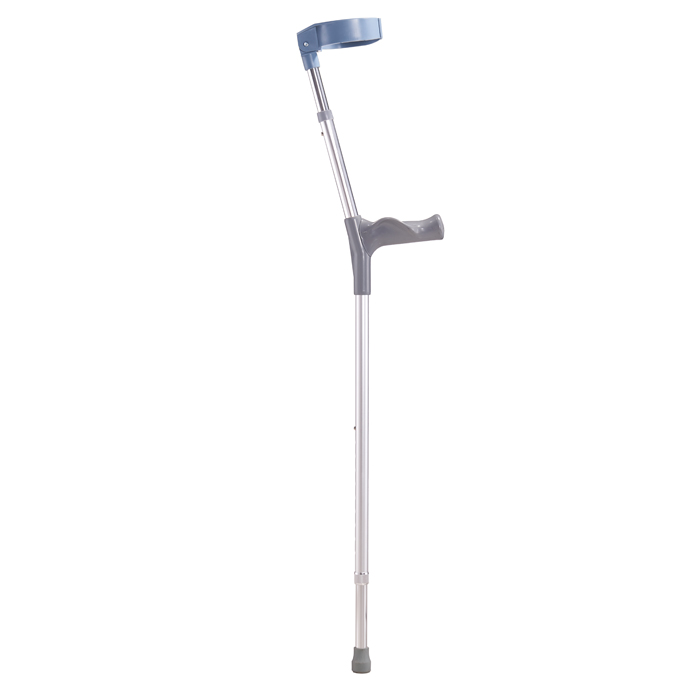
II. Target Users
Axillary crutches are suitable for: fractures, severe lower-limb weakness (or the initial post-operative phase), the acute phase of hemiplegia, the early stages of joint replacement recovery, sprains, and other conditions involving short-term or severe disability—serving as a temporary aid during the recovery transition period.
Forearm crutches are suitable for individuals experiencing mild to moderate lower-limb weakness, those with reasonably good balance, patients with chronic arthritis, those in the mid-to-late stages of rehabilitation, and elderly individuals with mild mobility impairments who require long-term crutch support for daily activities—whether at home or outdoors—and who frequently navigate stairs.
III. Pros and Cons
Axillary crutches offer strong support and can be used immediately—even by complete beginners—without the need for practice; they are quick to master and provide stable support while standing, making them ideal for individuals who are hesitant to bear full weight on their legs.
While they are effective for short-term use—particularly for those who find navigating stairs difficult or have limited mobility—prolonged use carries a risk of compressing the axillary nerve, which can lead to arm numbness and impaired circulation.
IV. Summary and Conclusion
Axillary crutches are suitable when stability is paramount, significant support is required, or for use during short-term injuries.
Forearm crutches are suitable when comfort and maneuverability are prioritized, or for long-term, daily use.
Therefore, when choosing between these two walking sticks, please make your decision based on a comprehensive assessment of your personal circumstances and intended usage scenarios.
-
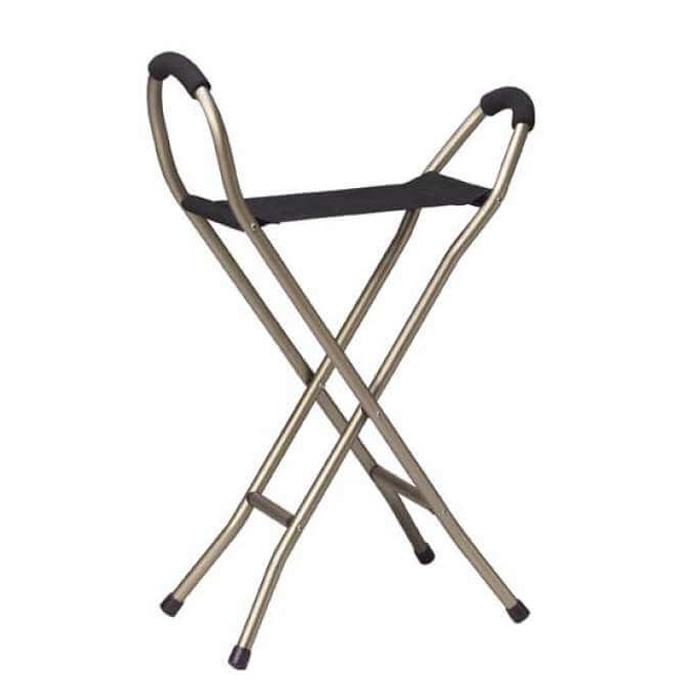
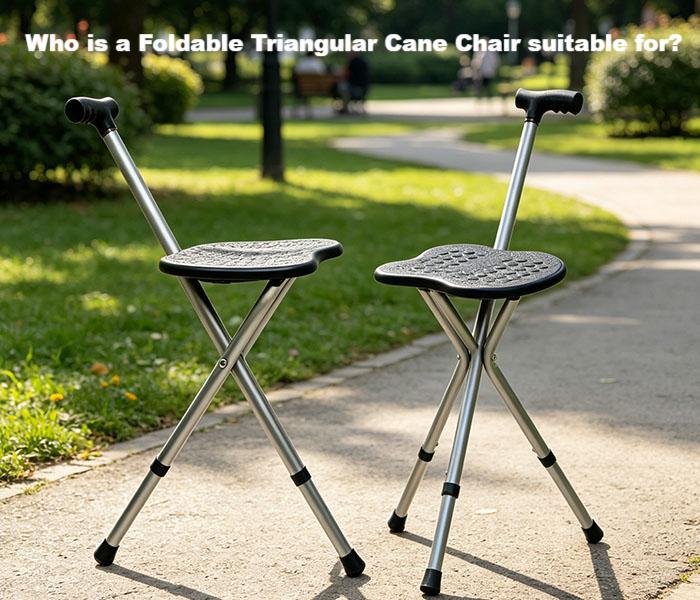
![Aluminum Alloy Folding Cane Stool]() Please visit Aluminum Alloy Folding Cane Stool
Please visit Aluminum Alloy Folding Cane StoolThis Aluminum Alloy Folding Cane Stool unfolds to serve as a comfortable resting seat and folds up to function as a sturdy walking cane. This Aluminum Alloy Folding Cane Stool features four robust legs fitted with non-slip foot pads, a built-in nylon sling seat, and a non-slip foam handle.
Get the latest price? We will reply as soon as possible (within 12 hours)
Products
News
Top Pick Products
Top Pick News
Top Pick Case



Top Pick Videos
Contact Us
-
Phone:+86 757-85572413
-
Fax:+86-757-85565903
-
Email:gdjianlian@gdjianlian.com