


Shower Stool Selection Guide: Choose Based on Your Needs—Balancing Safety and Comfort
Shower Stool Selection Guide: Choose Based on Your Needs—Balancing Safety and Comfort
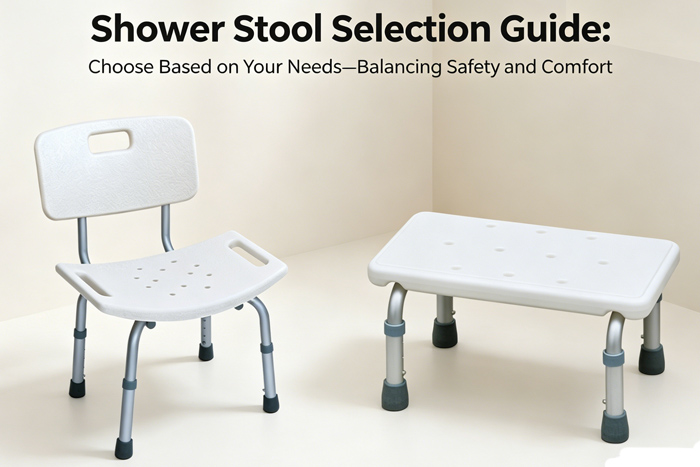
The core principles for selecting a shower stool prioritize safety, proper ergonomic fit, compatibility with the bathroom environment, and durability combined with ease of maintenance. Given that bathrooms are inherently damp and prone to slippery floors, we have compiled a comprehensive guide to selection techniques, taking into account the diverse needs of different users as well as key product specifications.
I. Core Safety: Eliminating the Risk of Slipping
Safety is the primary criterion when selecting a bath stool; priority must be placed on three core indicators: slip resistance, load-bearing capacity, and stability.For maximum slip resistance, prioritize a dual-structure design: the stool legs should be fitted with widened, thickened silicone suction pads that firmly grip tiled floors to prevent shifting, while the seat surface features a fine, dense non-slip texture to prevent slipping when wet—avoiding smooth, completely flat seating surfaces.For optimal stability, prioritize models featuring a wide base, a low center of gravity, and splayed legs. The overall frame should be sturdy and free of any wobbling; avoid flimsy designs with slender legs or narrow bases to effectively prevent tipping and falls.
II. Ergonomic Fit: Comfort Without Fatigue
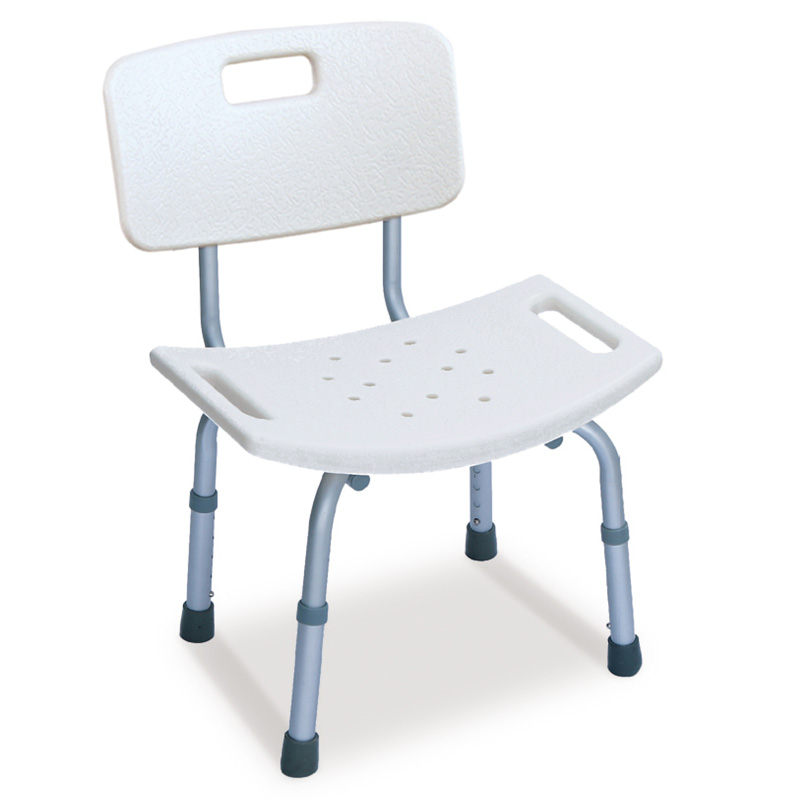
Proper sizing directly determines user comfort; the key factors to consider are seat height, seat dimensions, and auxiliary features.Seat height is the key factor: the standard fit is achieved when seated with both feet resting flat on the floor and the upper and lower legs forming a 90-degree angle. For average-sized adults, a height of 35–45 cm is appropriate; shorter individuals and the elderly should opt for 30–35 cm, while taller individuals should select 45–50 cm. Priority should be given to height-adjustable models to ensure suitability for use by the entire family.The seat features a carefully selected hollowed-out, contoured design with multiple drainage grooves; this not only facilitates rapid water drainage—thereby preventing mold and slippage—but also ensures comfort by avoiding pressure points and bumps, steering clear of the ergonomic pitfalls associated with seats that are either too narrow or too wide.
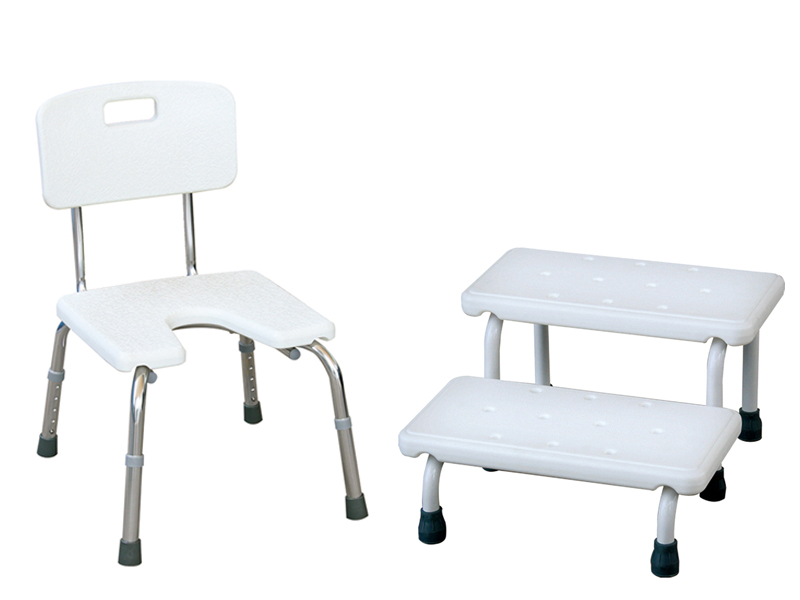
III. Material Selection: Moisture-Resistant, Durable, and Easy to Maintain
Given the high-temperature and high-humidity environment of a bathroom, the choice of material directly impacts product longevity; various mainstream, high-quality materials are each best suited to specific application scenarios.Thickened engineering plastic offers the best value for money: it is lightweight, waterproof, rust-resistant, and easy to clean—making it ideal for everyday home use and for renters. Its only drawback is that lower-quality versions are prone to aging and yellowing over time. Aviation-grade aluminum alloy, conversely, boasts high strength, corrosion resistance, and exceptional load-bearing stability, offering maximum durability. It is perfectly suited for long-term use by the elderly and pregnant women; its sole downside is its relatively high price point.We strictly avoid the use of ordinary iron frames, as they are prone to rusting and loosening in humid environments, posing serious safety hazards.
IV. Scenario Adaptation & Pitfall Avoidance Summary
For small-scale or narrow bathrooms, prioritize foldable, lightweight models that take up minimal space when stored. For larger bathrooms, opt for wider, reinforced models featuring built-in storage shelves for enhanced practicality. For individuals with mobility impairments or wheelchair users, models with detachable armrests and barrier-free side-entry designs are recommended; meanwhile, those undergoing rehabilitation will benefit most from models featuring multiple reinforcements and an elevated backrest.Key Buying Tips (What to Avoid): Do not purchase products that lack manufacturer identification or safety certifications; steer clear of seats without drainage holes, as they are prone to water accumulation and mold growth; reject cheap models made of flimsy plastic or those lacking non-slip suction feet; and avoid excessive, unnecessary ornamentation to minimize the burden of cleaning.
Quick Selection Formula: For Daily Use (Younger Adults) = Thickened Plastic + Non-slip Seat Surface + Suction Feet; For Seniors & Pregnant Women = Aluminum Alloy Frame + Adjustable Height + Backrest & Armrests + High Weight Capacity; For Small Spaces & Storage = Foldable & Lightweight Design + Narrow Profile + Rapid Drainage.
-
![Aluminum Alloy Telescopic Tripod Cane]()
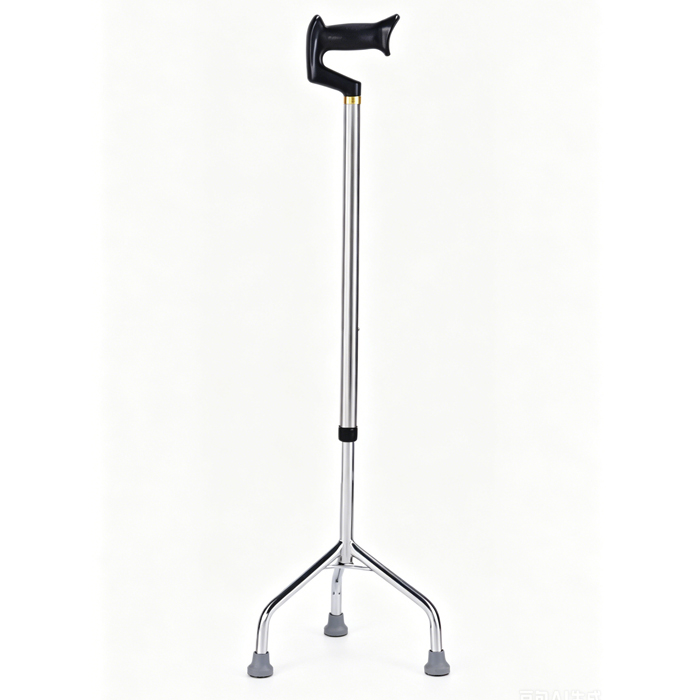
Aluminum Alloy Telescopic Tripod Cane
Featuring a lightweight, stable, and easily adjustable design, this Aluminum Alloy Telescopic Tripod Cane has become the preferred walking aid for a wide range of people, as well as a popular choice for many families purchasing mobility aids.
-
![Shower Stool Selection Guide: Choose Based on Your Needs—Balancing Safety and Comfort]()
Shower Stool Selection Guide: Choose Based on Your Needs—Balancing Safety and Comfort
The core principles for selecting a shower stool prioritize safety, proper ergonomic fit, compatibility with the bathroom environment, and durability combined with ease of maintenance. Given that bathrooms are inherently damp and prone to slippery floors, we have compiled a comprehensive guide to selection techniques, taking into account the diverse needs of different users as well as key product specifications.
-
![JIANLIAN HOMECARE PRODUCTS CO., LTD participated in MEDICA Germany 2024]()
JIANLIAN HOMECARE PRODUCTS CO., LTD participated in MEDICA Germany 2024
Jianlian Home Furnishings will attend the MEDICA exhibition held at the Düsseldorf Exhibition Center from November 11 to 14, 2024, booth 16, C54-8. MEDICA is a top medical event with thousands of exhibitors, elites from all walks of life and rich programs. Welcome to visit.
-
![Manual Wheelchair With Toilet Commode For Elderly]()
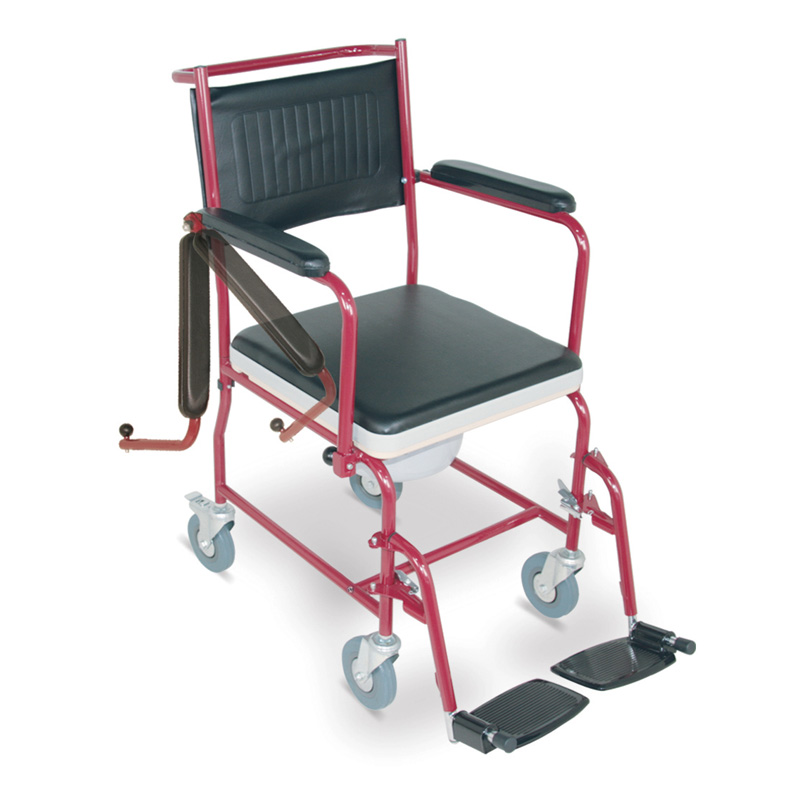
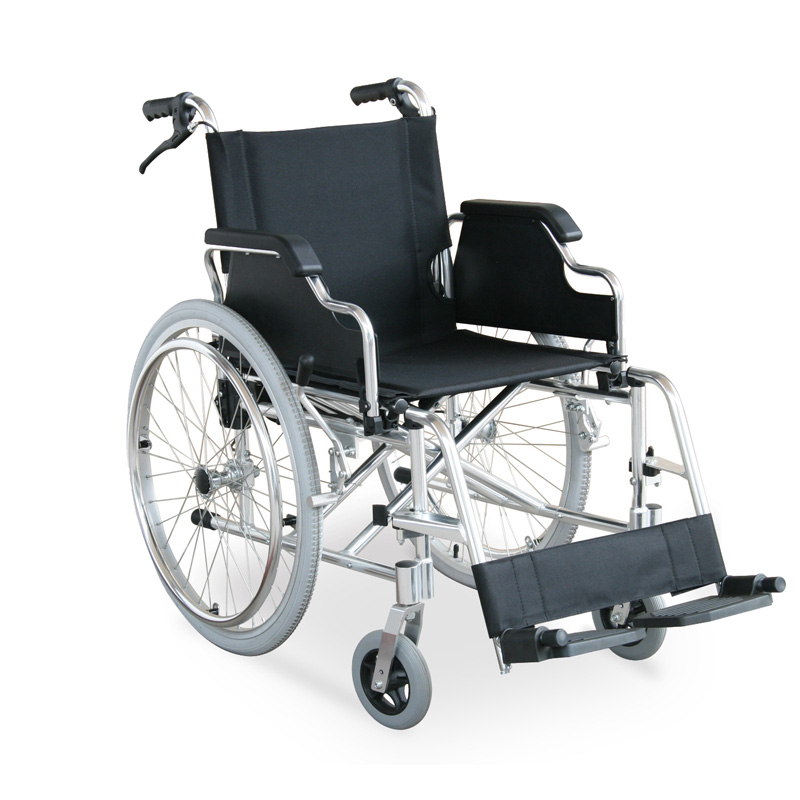
Manual Wheelchair With Toilet Commode For Elderly

Get the latest price? We will reply as soon as possible (within 12 hours)
Products
News
Top Pick Products
Top Pick News
Top Pick Case

Top Pick Videos
Contact Us
-
Phone:+86 757-85572413
-
Fax:+86-757-85565903
-
Email:gdjianlian@gdjianlian.com